
Last updated October 16, 2026
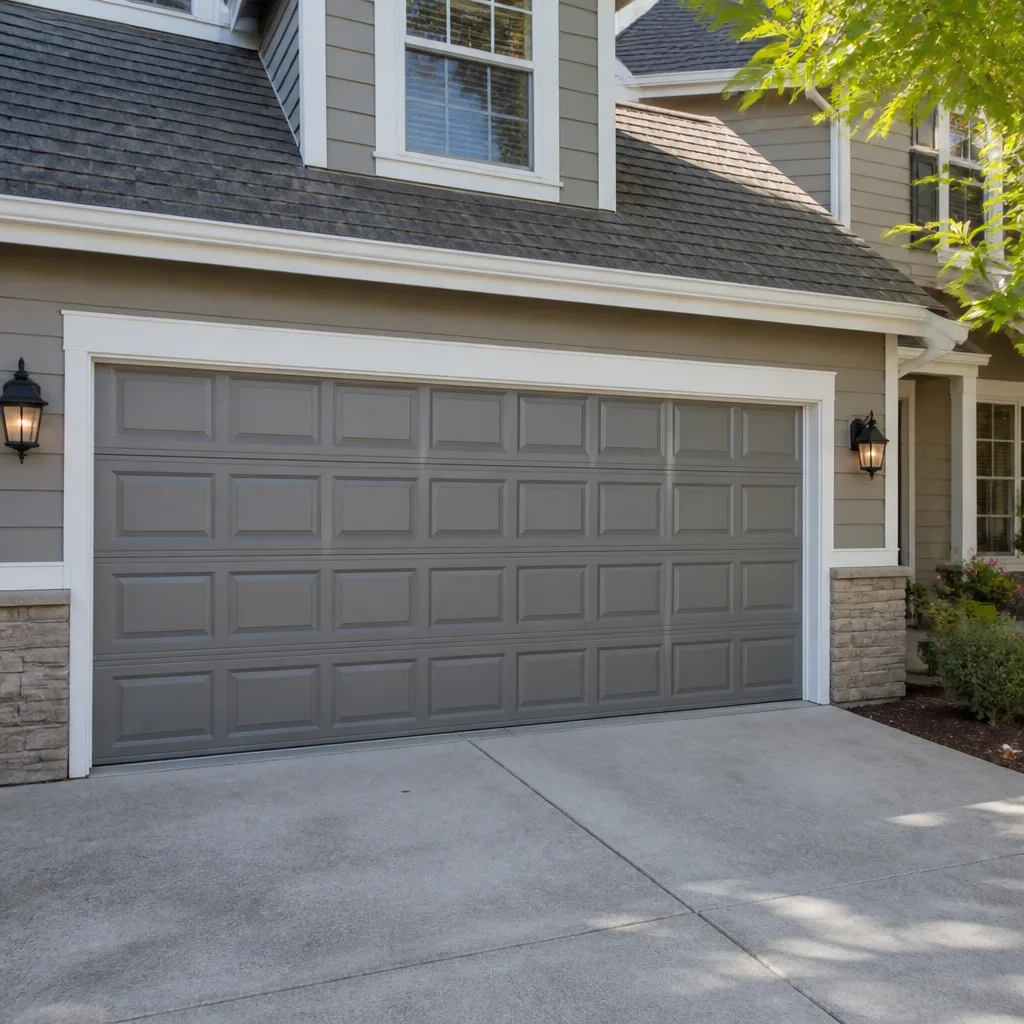 Raised-panel steel
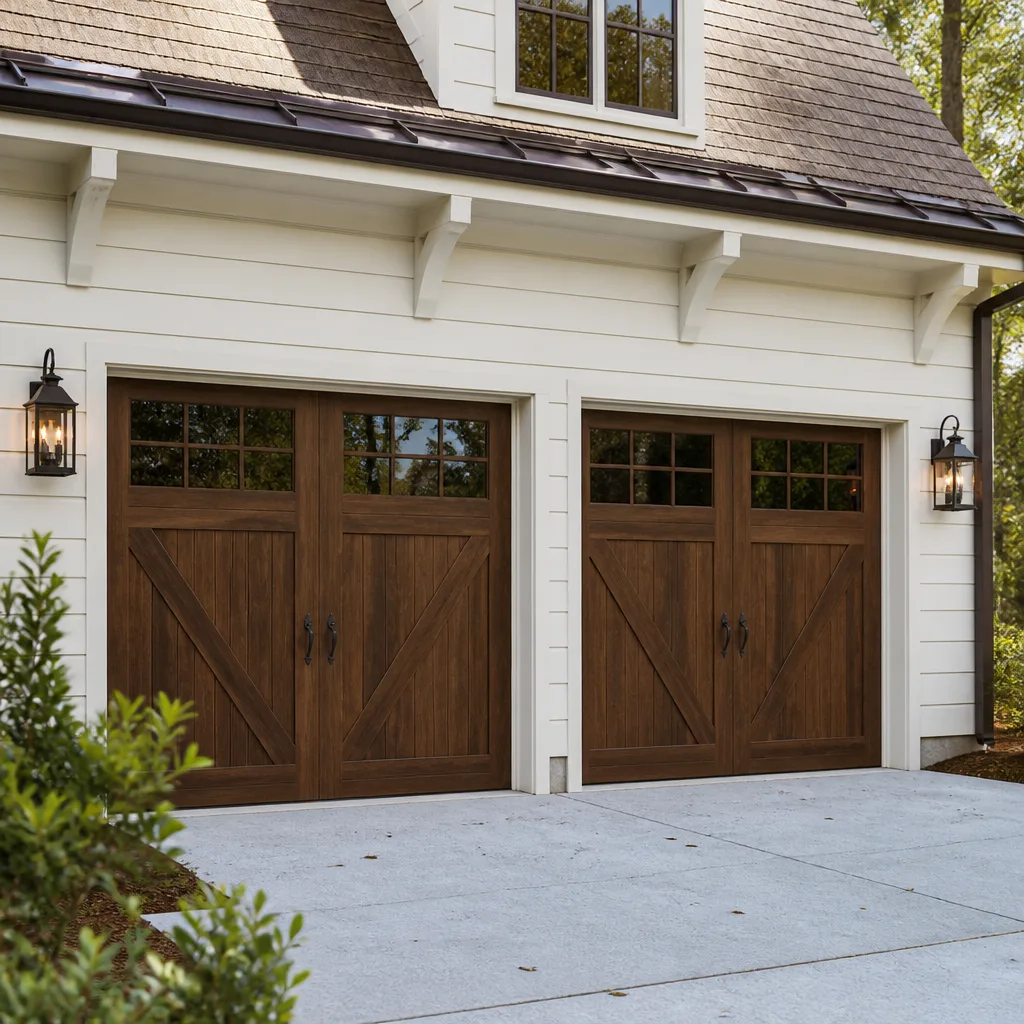 Carriage house
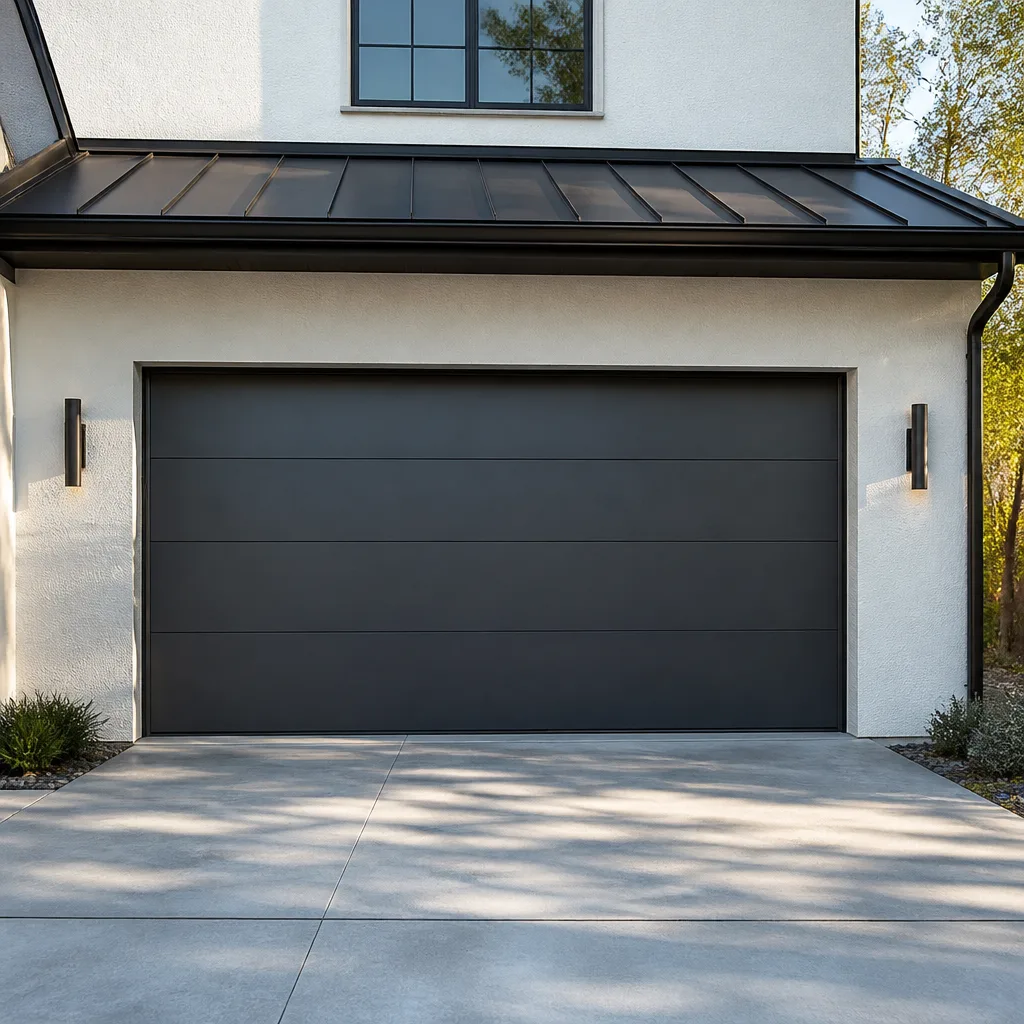 Modern flush
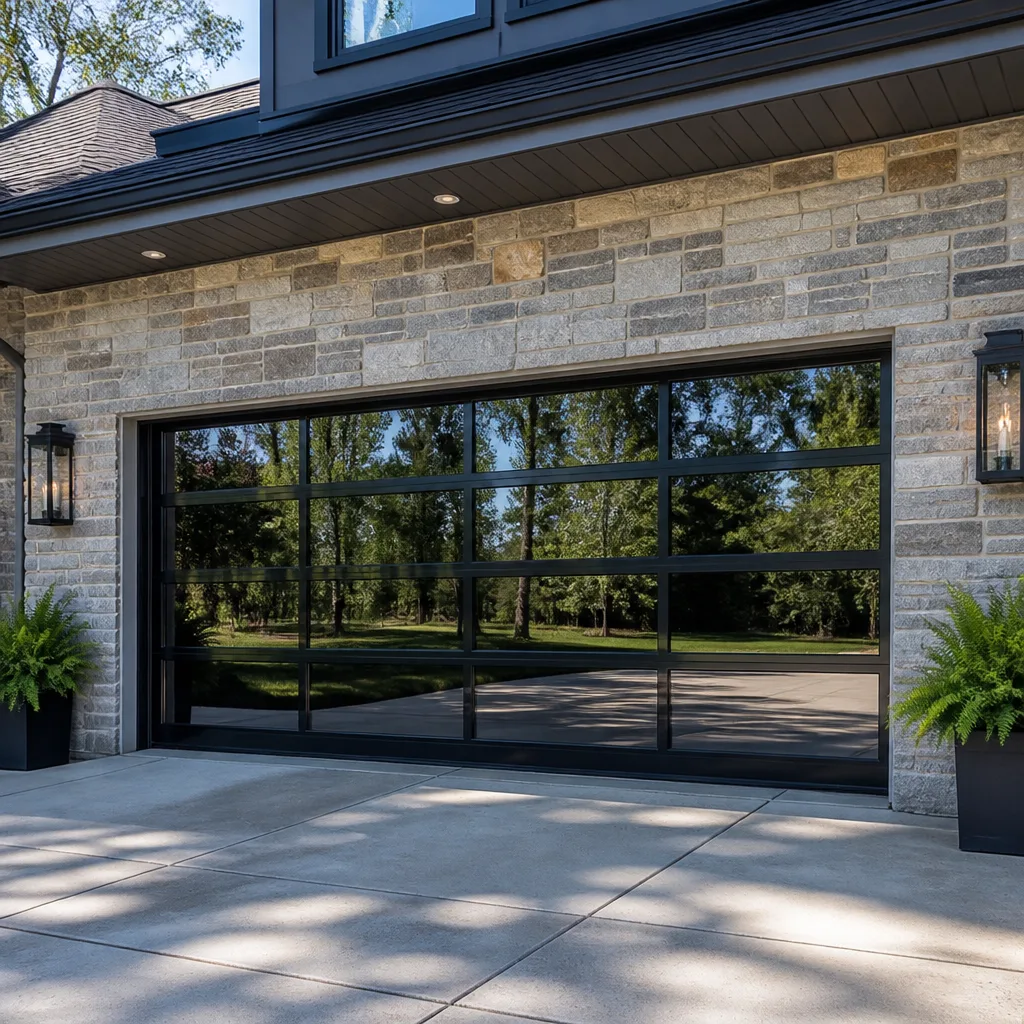 Full-view glass
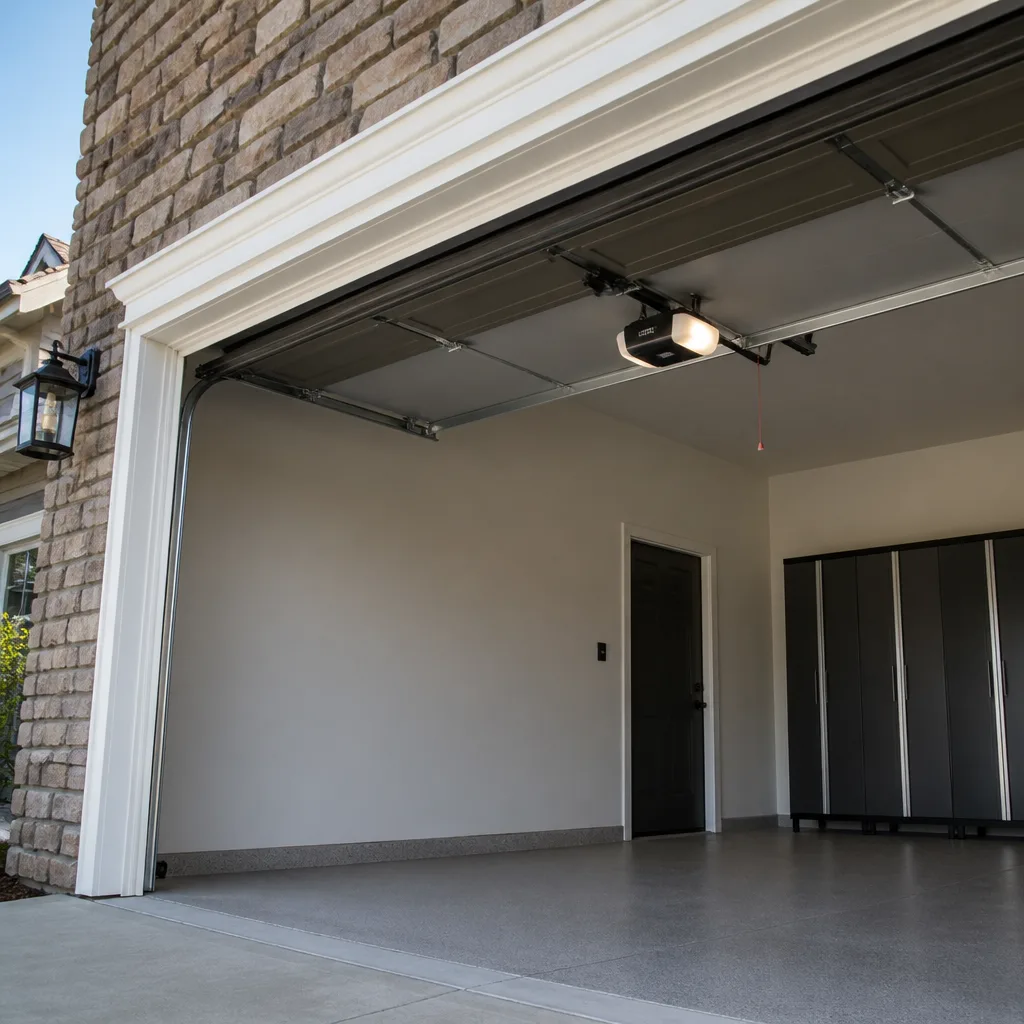 LiftMaster openers
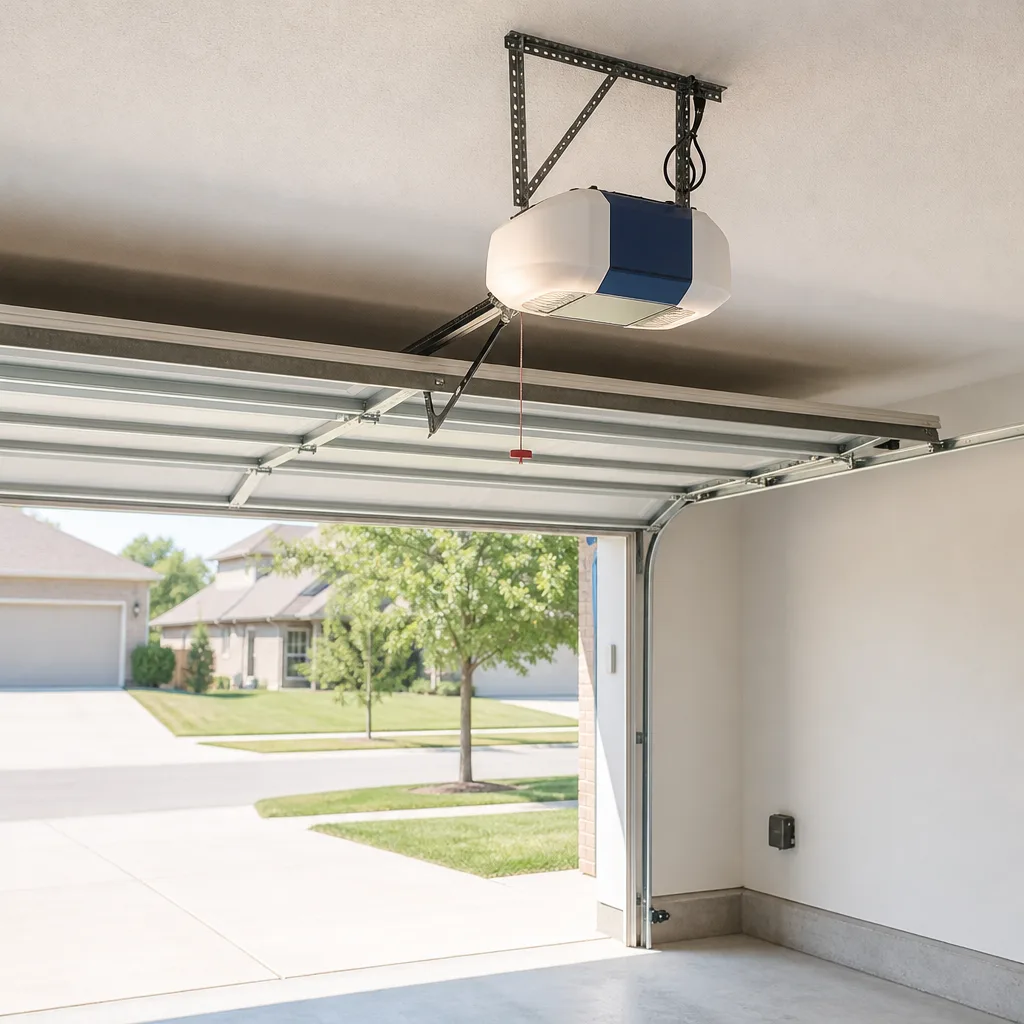 Chamberlain openers
Full 25-point door and opener safety check with every visit - springs, cables, rollers, tracks, and your LiftMaster or Chamberlain opener included
You get a price before we start. It does not change when the truck arrives.
Get your free estimateGarage Door Permits, Codes & Inspections in CA: What You Need to Know
Here’s a scenario we’ve watched unfold more than once in West Covina: a homeowner replaces their garage door in 2019, sells the house in 2024, and escrow stalls because the buyer’s inspector flags the unpermitted work. Suddenly the seller owes a retroactive permit fee, a late-penalty inspection, and possibly a corrective work order before the title can transfer. The garage door itself was fine. The paperwork wasn’t. That’s the thing about California code: the state regulates garage doors because they’re the largest moving object in your home, and the rules are more layered than most people realize. This guide explains when permits are required, what inspectors actually check, how Title 24 affects your choices, and what happens when unpermitted work surfaces during a sale. For garage door warning signs every West Covina homeowner should know, see our companion guide. You’ll also see how West Covina’s specific process works, step by step.
Styles & brands we work with
Quick Answer
In California, a permit is generally not required for repairing an existing garage door (replacing springs, cables, rollers, or the opener motor). A permit is typically required when you replace the entire door assembly, modify the door opening’s framing or header, or install a new door where none existed. In West Covina specifically, the Building & Safety Division treats full door replacement as a structural alteration requiring a building permit, and attached-garage replacements must also meet Title 24 energy standards. Getting the decision right matters more than most homeowners assume, because unpermitted work gets discovered during title searches and insurance claims, sometimes years later.
Table of Contents
- When a Permit Is Actually Required in California
- The West Covina Permit Process: Step by Step
- Repair vs. Replacement: Where the Line Is
- Garage Door Opener Installation: The Overlooked Requirement
- Title 24 Energy Code and Your Garage Door
- What Happens When Unpermitted Work Surfaces
- What a Contractor Legally Must Pull vs. What They Can Let You Decide
- What Inspectors Actually Check
- Common Mistakes to Avoid
- When to Call a Professional
- Frequently Asked Questions
- The Bottom Line
When a Permit Is Actually Required in California
California Building Code (CBC) doesn’t have a single line that says “garage door permit required.” Instead, the trigger is broader: any project that alters a structure’s load-bearing components, modifies a wall opening, or changes the exterior envelope typically needs a permit. A garage door sits inside that framework. Here’s the practical breakdown based on what we’ve seen cross the Building & Safety desk in West Covina and throughout Los Angeles County:
Permit generally required:
- Full door replacement – the track, panels, and hardware get replaced, and especially if the opening size changes or the header is touched. Most California jurisdictions treat a full replacement as an alteration subject to inspection.
- Modifying the opening – widening the rough opening, replacing the header beam, or converting a single door to a double door. This is structural work, no gray area.
- New door installation – cutting a new opening in a wall or adding a garage door to a carport enclosure. This requires plans and structural review.
- Converting a door to a wall – sealing off a garage door opening changes the building envelope and often triggers a change-of-occupancy review.
Permit generally not required:
- Spring replacement – swapping a broken torsion spring, the horizontal coil above the door that does the heavy lifting, for a matching-size replacement, doesn’t change the structure.
- Cable replacement – replacing the lifting cables on the sides of the door, or the safety cables inside an extension spring.
- Roller, hinge, or track alignment repairs – tightening, adjusting, re-hanging the same door on the same opening.
- Opener motor replacement – swapping the motor unit itself usually doesn’t require a permit, though there’s a nuance we’ll cover in the opener section below.
The line that surprises people: in West Covina, a “repair” is fixing what’s already there, while a “replacement” means changing the assembly itself. That distinction drives the paperwork. When in doubt, a two-minute call to West Covina Building & Safety at (831) 216-7932 clears it up faster than guessing.
The West Covina Permit Process: Step by Step
West Covina’s Building & Safety Division is part of the Community Development Department. The process for a garage door replacement permit is straightforward but layered, and it moves at the pace of the current workload – which fluctuates with the season and staffing. Here’s the sequence from our experience helping West Covina homeowners navigate it:
- Confirm you need one. Call Building & Safety or describe the scope online. Most full door replacements attached to a home will need a permit. Repair work generally won’t.
- Gather documents. You’ll need the door manufacturer’s specifications, the door’s dimensions, and if the opening changes at all, a simple site plan and elevation drawing. Many door manufacturers (Clopay, Amarr, Wayne Dalton) provide permit-ready spec sheets for their products.
- Submit the application. West Covina accepts construction permit applications through its online portal, with a small intake fee. For simple door replacements, plan review often happens same-day or within a few business days depending on volume.
- Pay the fee. Permit fees for a garage door replacement in West Covina typically run between $150 and $400, depending on the project valuation. Late fees kick in if work starts without the permit – and that’s a penalty on top of the standard fee.
- Perform the work. The door goes in after plan approval. Crucially, any structural work (header, framing) must be visible for inspection, so don’t close anything up before the inspector arrives.
- Schedule the inspection. West Covina inspections are typically scheduled by phone or online, with windows given on the day of. The inspector checks door anchoring, header integrity, safety sensor function, and Title 24 compliance where applicable.
- Close the permit. Once the inspection passes, the permit goes into the record as finaled. Keep a copy – it’ll matter if you sell the house.
Realistic timeline: for a standard attached-garage door replacement with no structural changes, expect the process from application to final inspection to take about one to three weeks, with the inspection itself being the longest single variable.
Repair vs. Replacement: Where the Line Is
This is the most consequential distinction in garage door permitting, and it’s less intuitive than it sounds. The state’s logic: when you repair a component, you’re maintaining an approved structure. When you replace an assembly, you’re altering it. But the components themselves blur that line.
Take a garage door spring repair in West Covina. Replacing a broken torsion spring with a matching size is a repair – no permit. Replacing two different-size springs with a single conversion assembly that changes how the door balances – also still a repair in the permit sense, but one that touches the door’s safety and performance more substantially.
A garage door cable repair is the same story: lift cables, safety cables, extension springs – repair territory. But if the track geometry has to change to accommodate the new cable routing, you’re drifting toward alteration. Jurisdictions differ, and West Covina errs conservative: if you’re unsure, ask before you schedule. It costs five minutes to verify and potentially thousands to fix a permit gap later.
The practical takeaway: if the existing door stays in place with new wears-parts installed on it, you’re repairing. If the door itself comes out and a new one goes in, you’re replacing, and in West Covina that means permits. A full garage door repair that preserves the door in place – even comprehensive work – rarely triggers the requirement.
Garage Door Opener Installation: The Overlooked Requirement
Garage door openers have their own corner of California code, and it’s the most commonly misunderstood permit question we hear. Here’s the nuance: replacing the opener’s motor unit – the box that hangs from the ceiling – typically does not require a permit. It’s an appliance swap, like changing a water heater element. But if the work involves new wiring to the opener, or a new dedicated circuit, that’s electrical work, and California’s Electrical Code pulls it under permit territory.
West Covina enforces this through the same Building & Safety Division. The practical distinction:
- Plugin replacement: old opener unplugs, new opener plugs into the same outlet. No permit.
- Hardwired replacement: the opener ties directly into the house wiring without a plug. Any change to that connection is electrical work requiring a permit.
- New circuit: if the new opener needs a circuit the garage doesn’t have, that’s a panel modification – always permitted and inspected.
Opener safety sensors also fall under California’s mandate: since 1993, every automatic garage door must have a working reversing mechanism and photoelectric sensors that stop the door when anything crosses the beam. Inspectors in West Covina check this on every new installation, and it’s one of the top reasons a project fails final inspection.
Title 24 Energy Code and Your Garage Door
California’s Title 24 Building Energy Efficiency Standards don’t just cover HVAC and windows – they reach into attached garages. If your garage shares a wall or ceiling with conditioned living space, the garage door becomes part of the home’s thermal envelope. That means a full replacement on an attached garage must meet minimum insulation values.
Here’s what Title 24 requires for attached garage doors in California, broken down simply:
- R-value minimums – an attached garage door must meet a minimum insulating R-value (the door’s resistance to heat flow), which varies by climate zone. West Covina sits in Southern California’s Zone 9 or 10 depending on exact location, where the standard for an attached garage door is generally R-4 to R-6 or higher for conditioned spaces.
- Manufacturer certification – the door must be certified to meet the California Energy Commission’s standards. Reputable brands like Clopay, Amarr, and Wayne Dalton publish Title 24 compliance data sheets for their insulated lines, which you’ll submit with the permit application.
- Weatherstripping – the bottom seal and perimeter weatherstripping must be intact and functioning. Inspectors in Southern California pay more attention to this than you’d expect, because a leaky attached garage lets conditioned air escape into unconditioned space, which is exactly what Title 24 is designed to prevent.
- Existing door, existing structure – repairs don’t trigger Title 24 review. You’re not changing the envelope, just maintaining the existing door. This is another reason the repair-vs-replace line matters for your bottom line as well as your paperwork.
In our experience, West Covina inspectors are thorough on Title 24 checks for attached garages, but they’re also practical: give them the manufacturer’s compliance sheet and a clean installation, and this portion of the inspection closes quickly.
What Happens When Unpermitted Work Surfaces
The West Covina homeowner who discovered a permit gap at escrow is not an outlier. Unpermitted garage door replacement has a way of surfacing at the three worst moments: when selling the house, when filing an insurance claim, and when a neighbor calls in a code complaint. Here’s what actually happens in each scenario, based on what we’ve seen and what California real estate disclosure laws require:
At escrow
California sellers sign a Transfer Disclosure Statement (TDS) that asks directly about work done without permits. Many homeowners check “no” without realizing their door replacement qualifies as permit-required work. If the buyer’s inspector catches it – and inspectors in Los Angeles County are trained to look at door anchors, track age, and permit records – escrow can stall. The seller then owes the original permit fee plus a penalty that can reach double the standard fee, and in some cases a corrective work order if the installation doesn’t meet current code. The fix usually costs between $500 and $1,500 total, and more importantly, it can delay closing by weeks.
At insurance claim time
If a garage door fails and causes damage – say a spring breaks and the door crashes down on a car, or a track pulls away and splits a wall – the insurer’s adjuster may ask when and how the door was installed. An unpermitted replacement gives the insurer a reason to deny the claim or reduce the payout, because the work wasn’t verified by a code inspection. The burden then shifts to the homeowner to prove the installation was solid.
On a code complaint
West Covina responds to code enforcement complaints. If a neighbor reports an unsound door installation, the city can send an inspector, open a case, and issue a correction notice on the spot. It’s rare for garage doors specifically, but it happens, and it’s the most avoidable path to a fine.
The short version: the permit cost is the cheapest part of the project. The late-penalty version is not.
What a Contractor Legally Must Pull vs. What They Can Let You Decide
Here’s the part most guides skip, and it’s the reason homeowners get stuck holding a permit gap they didn’t expect. Under California’s Contractors State License Board (CSLB) rules, the contractor performing permitted work is legally responsible for pulling the permit – not the homeowner. If a contractor tells you, “I’ll do the installation and you handle the permit,” that arrangement may violate CSLB policy for the work that requires permitting, and it shifts legal risk onto you. Our step-by-step guide to hiring a garage door contractor in West Covina covers how to verify this before you sign.
What a licensed contractor must do on a permit-required garage door replacement in West Covina:
- Obtain the permit in the contractor’s name, with the contractor listed as the responsible party for the work. Homeowners can pull their own permits if they’re doing the work themselves, but if you’re paying a licensed pro, the license follows the permit.
- Schedule and attend inspections, typically with the homeowner or tenant notified ahead of time.
- Correct any deficiencies flagged during inspection before closing out the permit.
- Provide the finaled permit record to the homeowner as part of the completed project documentation.
What a contractor can legally let you decide:
- Whether to proceed at all – some homeowners choose repair over replacement specifically to avoid the permit process, and that’s a legitimate call.
- Which replacement door to buy, as long as it meets code. You choose the brand, style, and insulation level within the requirements.
- Optional upgrades – battery backup openers, smart-home integration, higher R-value doors, quieter belt-drive motors. These don’t change the permit requirement but they’re yours to pick.
Why reputable contractors always pull the permit: it protects the homeowner from the escrow and insurance scenarios above, and it protects the contractor’s license. A company willing to skip a required permit on your job is also willing to skip other things – details you won’t discover until something fails. At Marlow Garage Door Repair West Covina, we pull the permit on every job that requires one, as a matter of course. It’s not a favor; it’s just the right way to do the work.
What Inspectors Actually Check
West Covina’s garage door inspections focus on three things: structural anchoring, safety function, and code compliance. When we prep a homeowner for an inspection, here’s the garage door repair maintenance checklist for West Covina homeowners we walk through, built from years of walking doors through this exact process:
- Anchoring and header integrity. The inspector looks at how the track brackets attach to the wall, whether the header above the opening is the right size and properly supported, and whether the door’s weight is evenly distributed. A door that sags or pulls away from its mounts fails on the spot.
- Safety reversing mechanism. The door must reverse when it encounters resistance – a two-by-four laid flat under the door is the standard test. The photoelectric sensors on the sides must be mounted no higher than six inches off the floor, connected, and functional.
- Spring containment. Torsion springs must have a retention cable or equivalent safety system. Extension springs must have safety cables running through the center. This is not optional in California, and inspectors check it every time.
- Track alignment and roller condition. The door should run smoothly through the full open-close cycle without binding, jumping, or scraping. Worn rollers or misaligned track are the easiest fixes before inspection day, not after.
- Title 24 documentation for attached garage replacements – the manufacturer’s cert sheet with the R-value clearly stated.
- Fire separation. If the garage attaches to the house, the wall between them must have proper fire-rated separation. A new door installation shouldn’t affect this, but the inspector checks anyway because a compromised fire wall changes the occupant risk.
The pass rate for a door that was installed correctly the first time is high. Most failures we’ve seen come from homeowners who skipped the inspection entirely and then tried to retroactively certify work that was already closed up – another vote for doing the process in the right order.
Common Mistakes to Avoid
- Assuming all garage door work is exempt. Repair work generally is; replacement usually isn’t. Treating a full replacement like a repair is how permit gaps start in West Covina, and they don’t get cheaper with time.
- Using out-of-date Title 24 information. California updates its energy code every three years. A door that passed in 2019 might not meet the current standard in 2025 – and the inspector tests to the current code, not the one from when you bought the door.
- Paying cash to skip the permit. Some contractors offer a discount for unpermitted work. It saves money in the short term and costs far more at escrow or claim time. If the contractor is willing to skip the permit, walk away.
- Neglecting to keep the finaled permit record. The permit isn’t done when the inspection passes; it’s done when you have the paper in your files. Future buyers and insurers will ask for it.
- Installing an attached garage door with no insulation. In West Covina’s climate zone, an attached garage shares a wall with conditioned space. A non-insulated door fails Title 24 review, period. Choose a door that meets the R-value minimum from the start.
- Modifying the opening without an engineer. Widening a garage door opening changes the load path over the header, which is a structural question, not a cosmetic one. A failed header is an expensive problem to fix after the fact.
- Assuming the opener’s safety sensors are optional. They’ve been mandatory in California since 1993, and a non-functioning sensor set is the fastest way to fail an inspection. Check them before the inspector does.
When to Call a Professional
You can do your own permit research, and you should understand the basics before anyone starts a quote. But there are moments when experience matters: if your door replacement involves structural changes near the header, if your attached garage needs Title 24 compliance work, if the track has to be repositioned, or if you’ve discovered prior unpermitted work that needs remediation – call someone who has navigated this before. A licensed contractor knows what the inspector checks, what the permit office needs, and how to keep the process moving. Marlow Garage Door Repair West Covina offers free estimates in West Covina – call (831) 216-7932 or visit our Marlow Garage Door Repair West Covina home page to book online and see your tech on the way.
Frequently Asked Questions
Yes, in most California jurisdictions including West Covina, a full garage door replacement requires a building permit because the door is part of the home’s structural envelope. Repairs like spring and cable replacement do not. If you’re unsure whether your project counts as replacement or repair, call West Covina Building & Safety at (831) 216-7932 to confirm before work starts.
A West Covina garage door replacement permit typically costs between $150 and $400 depending on project valuation, not including late penalties if work begins before the permit is issued. Late penalties can double the fee, so budget the permit as a line item from day one. For an exact quote on the door work itself, call (831) 216-7932 – estimates are free and the written price is locked before any wrench turns.
It depends. Replacing a plugin opener motor is not typically a permitted electrical job. But if the project involves new wiring, a new circuit, or modifications to hardwired connections, California’s Electrical Code pulls it into permitted territory and West Covina enforces that through its Building & Safety Division. When we install openers, our technicians verify the wiring situation during the estimate so there are no surprises at inspection time.
Check the manufacturer’s compliance documentation for your specific door model. Brands like Clopay, Amarr, and Wayne Dalton publish Title 24 data sheets showing the R-value and California Energy Commission certification for each product line. If your door predates your current code cycle, or if you’ve lost the paperwork, a licensed inspector or a knowledgeable contractor can assess it during an estimate visit in West Covina.
You’ll likely need to apply for a retroactive permit, pay the standard fee plus a late penalty that can double it, and schedule an inspection of the existing installation. If the installation doesn’t meet current code, a corrective work order will list the specific fixes required to close the permit. This process usually costs $500 to $1,500 total for a standard door replacement. Call (831) 216-7932 for a free assessment – we’ve helped many West Covina homeowners remediate exactly this situation.
It might not. If a garage door installed without a required permit fails and causes damage, the insurance adjuster can use the permit gap as grounds to deny or reduce the claim. The safest approach is to ensure permit-required work is permitted from the start, and to keep the finaled permit record with your home documents.
The Bottom Line
California treats garage doors as structural components, not cosmetic upgrades, and West Covina enforces that standard through its Building & Safety Division. Repair work stays permit-exempt. Full replacement, opening modifications, and some opener installations require paperwork, an inspection, and compliance with Title 24. The cost of getting it right – a $150 to $400 permit and a two-day process – is trivial compared to the cost of getting it wrong: retroactive penalties, stalled escrow, insurance denials, and corrective work orders measured in the thousands. The best way to avoid all of it is to ask before you replace, work with a contractor who pulls the permit as standard practice, and keep the finaled record where you’ll find it years later. Browse more guides & resources on garage door compliance and maintenance. That’s the whole game: the permit is the cheapest insurance policy a garage door will ever have.
Written by Jaylen Ross, Owner at Marlow Garage Door Repair West Covina, serving West Covina since 2002.
See the difference
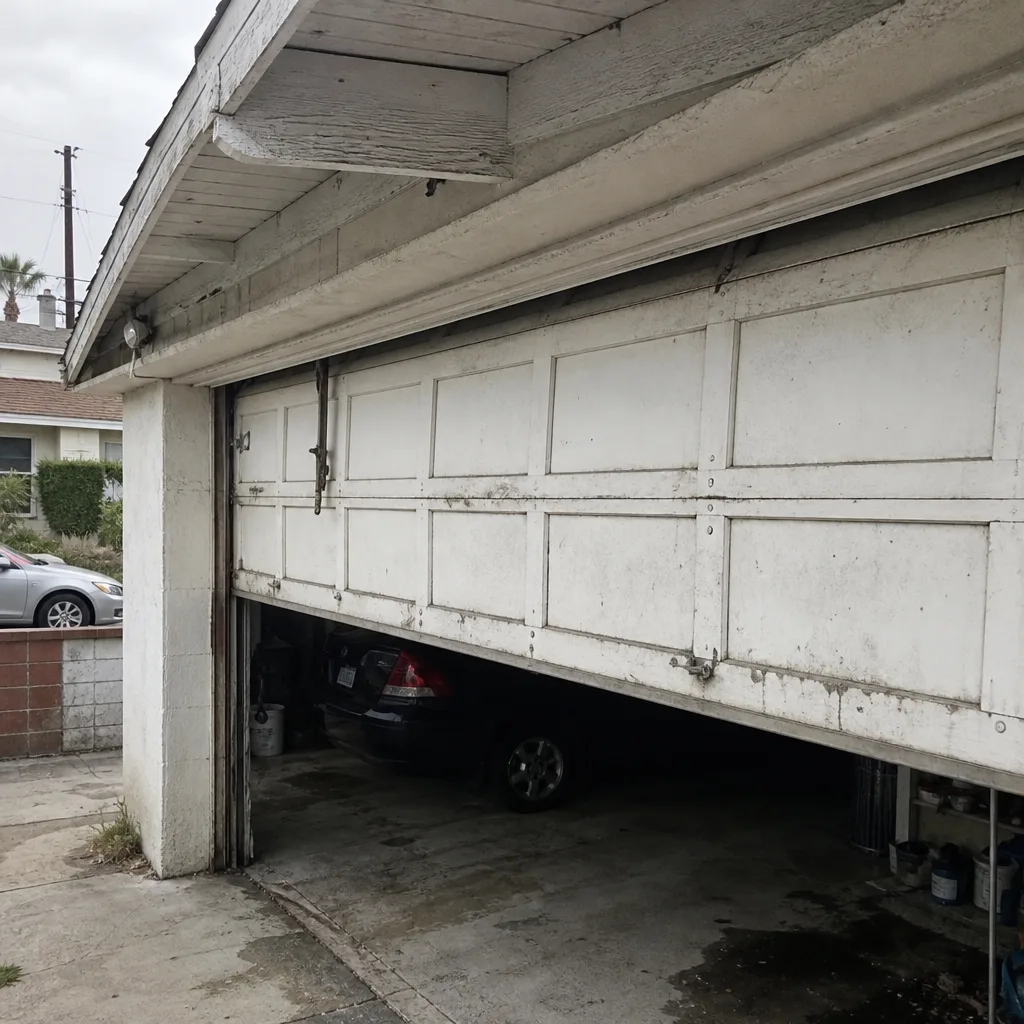 Before
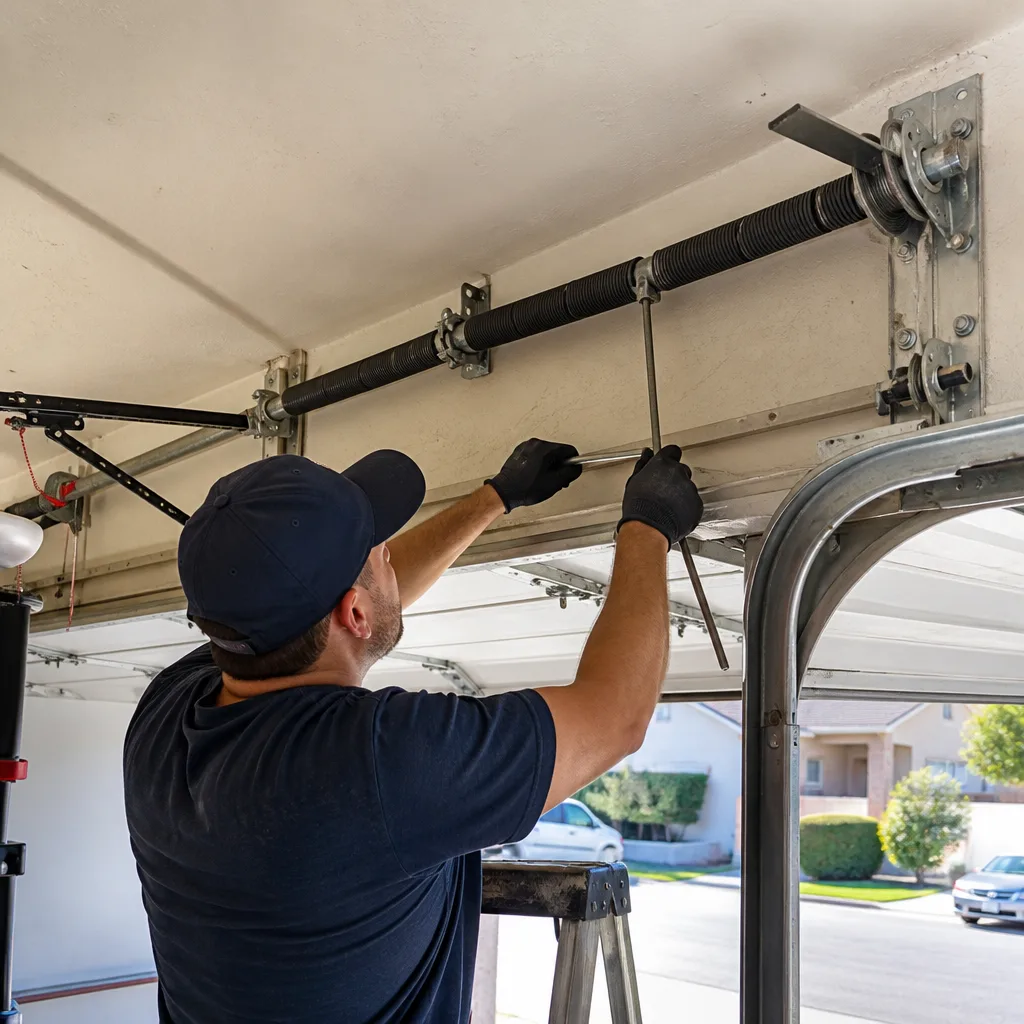
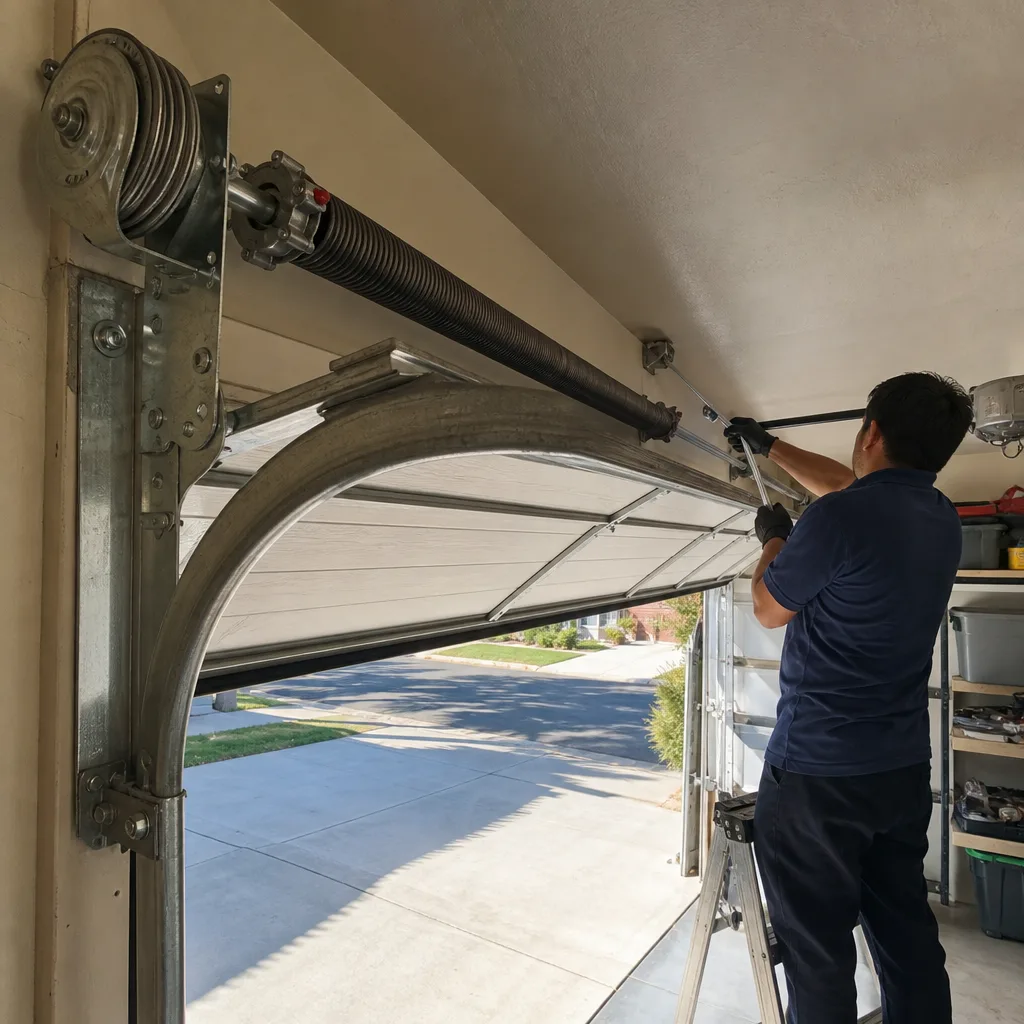 After
After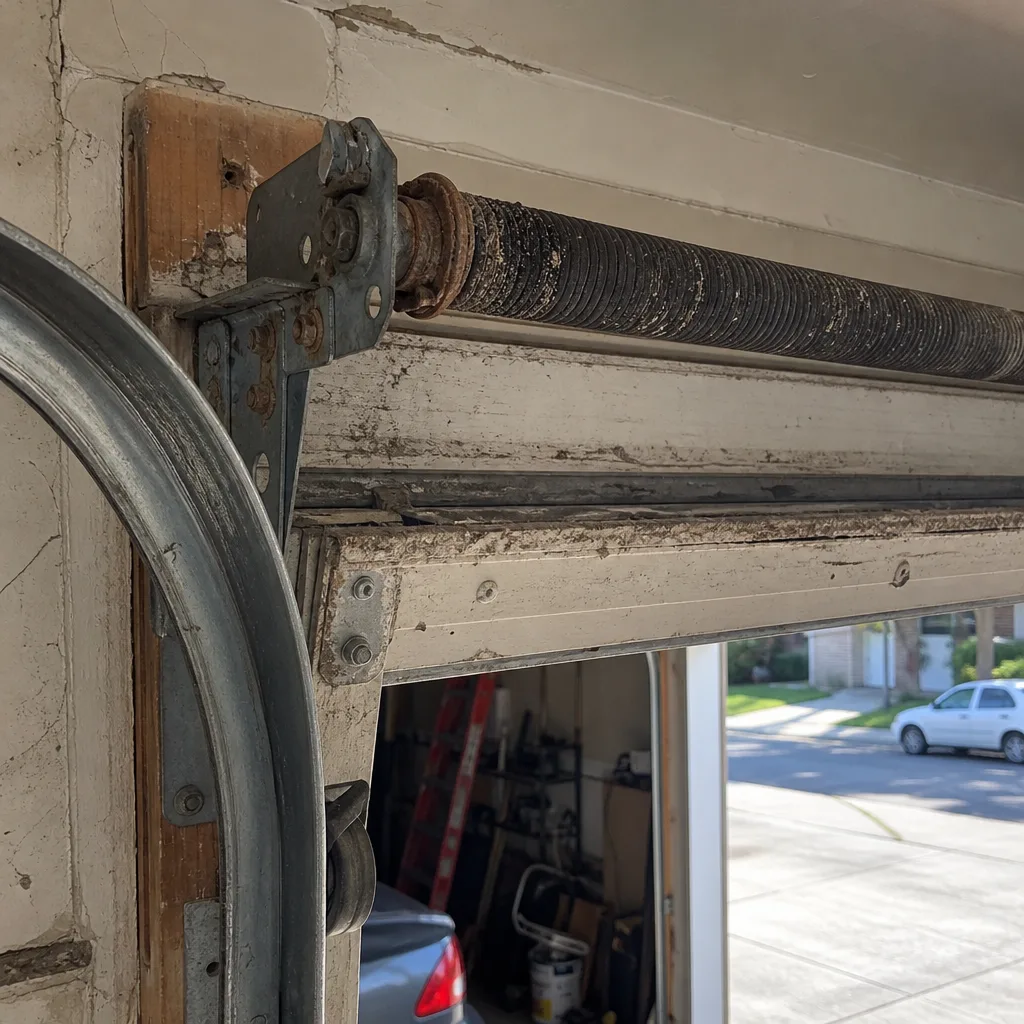 Before
 After
After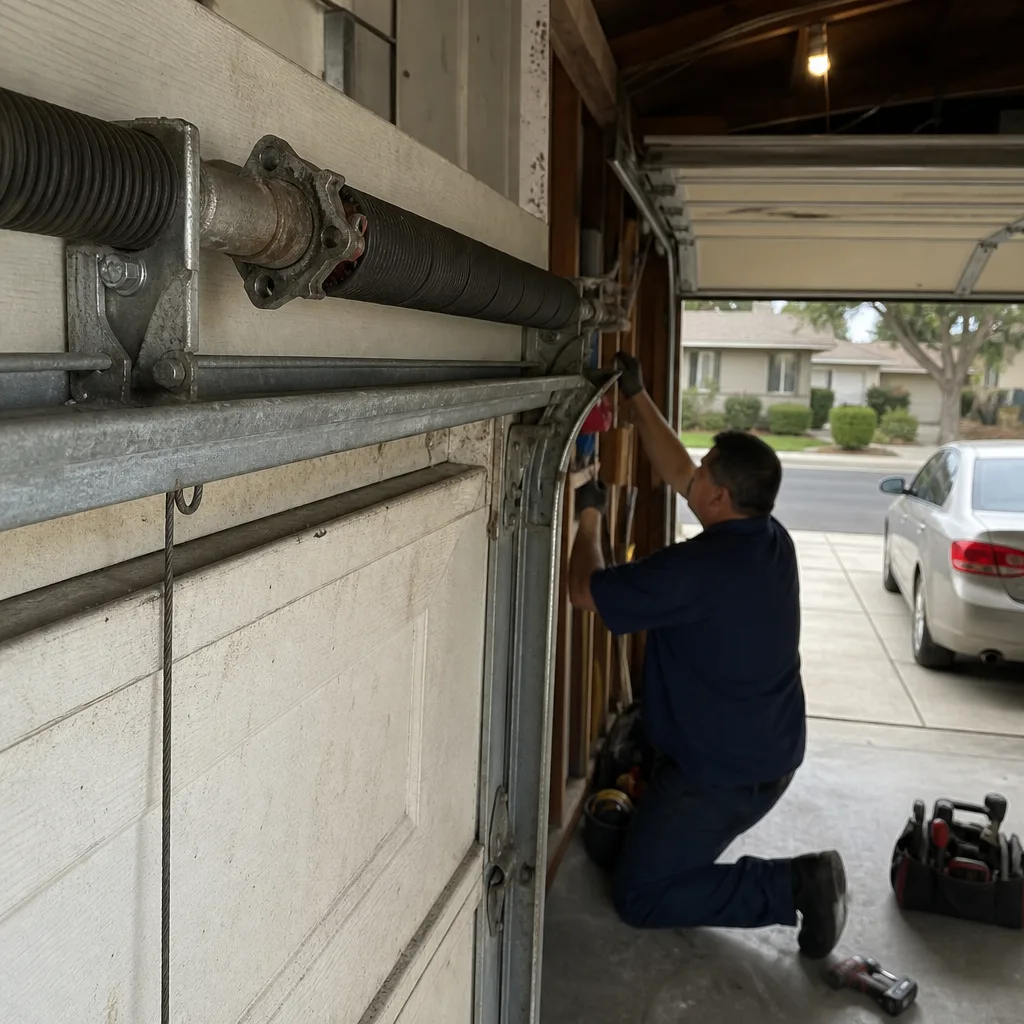 Before
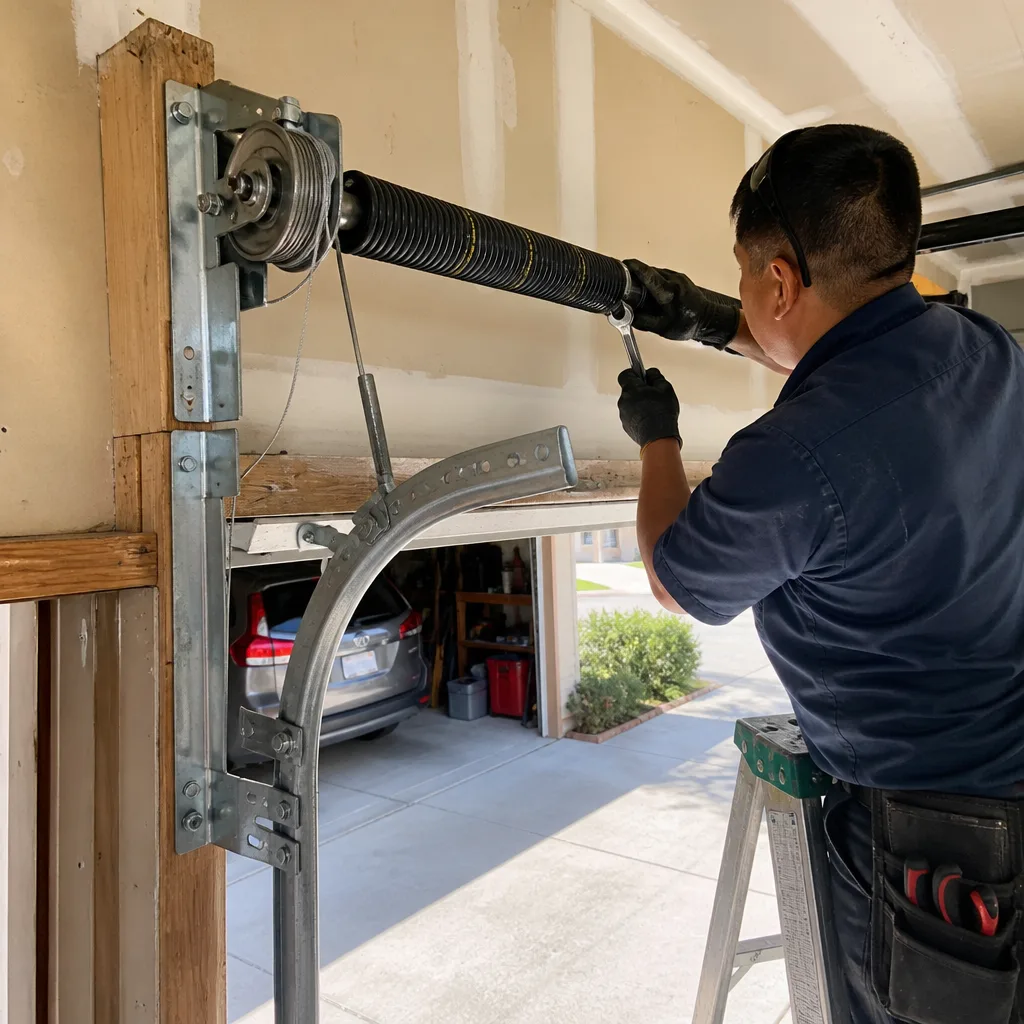 After
After