
Last updated October 16, 2026
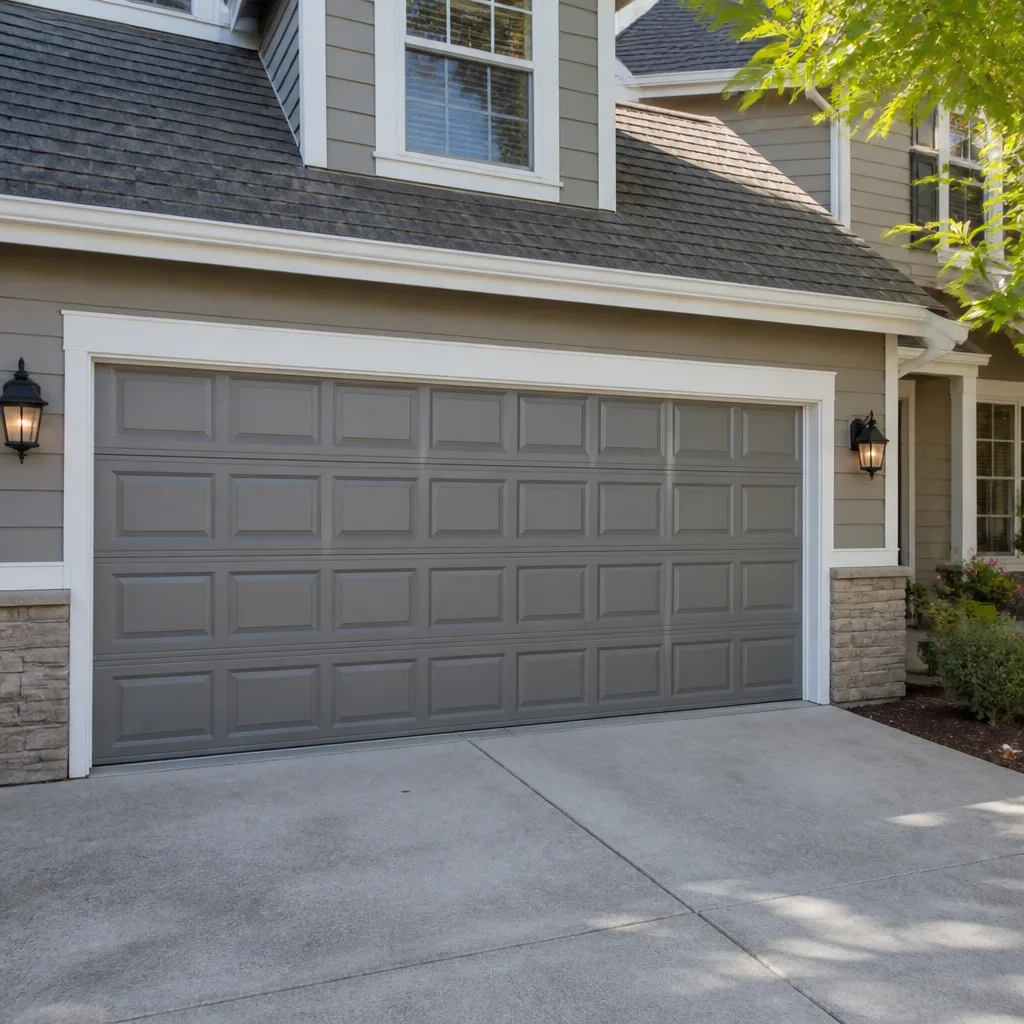 Raised-panel steel
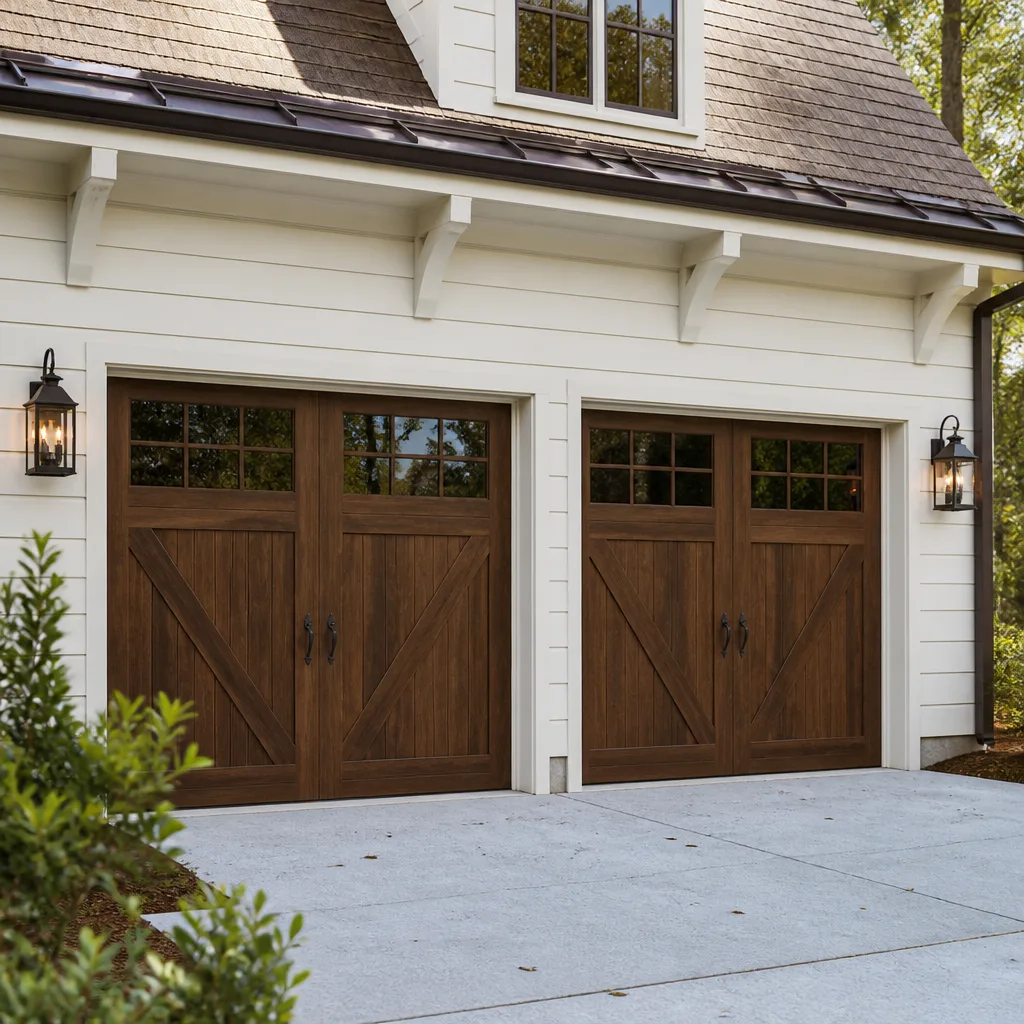 Carriage house
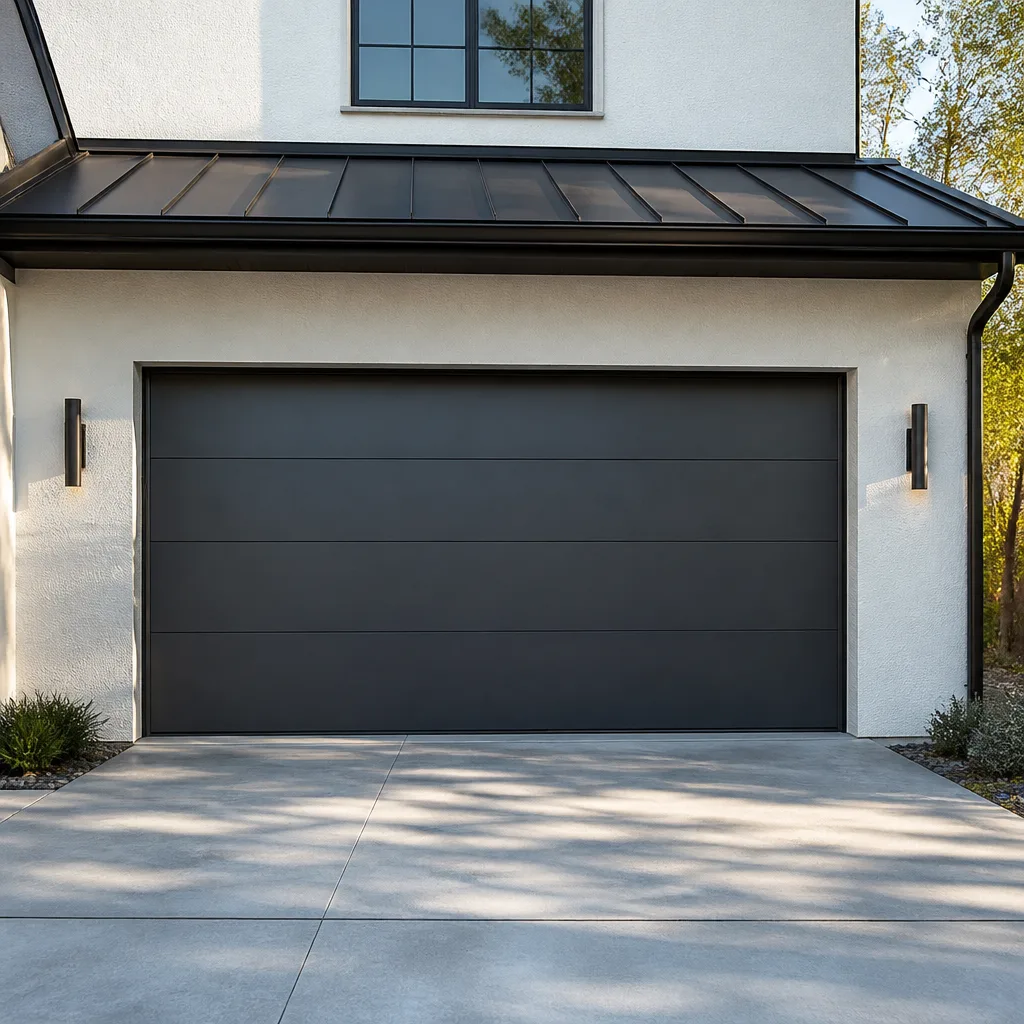 Modern flush
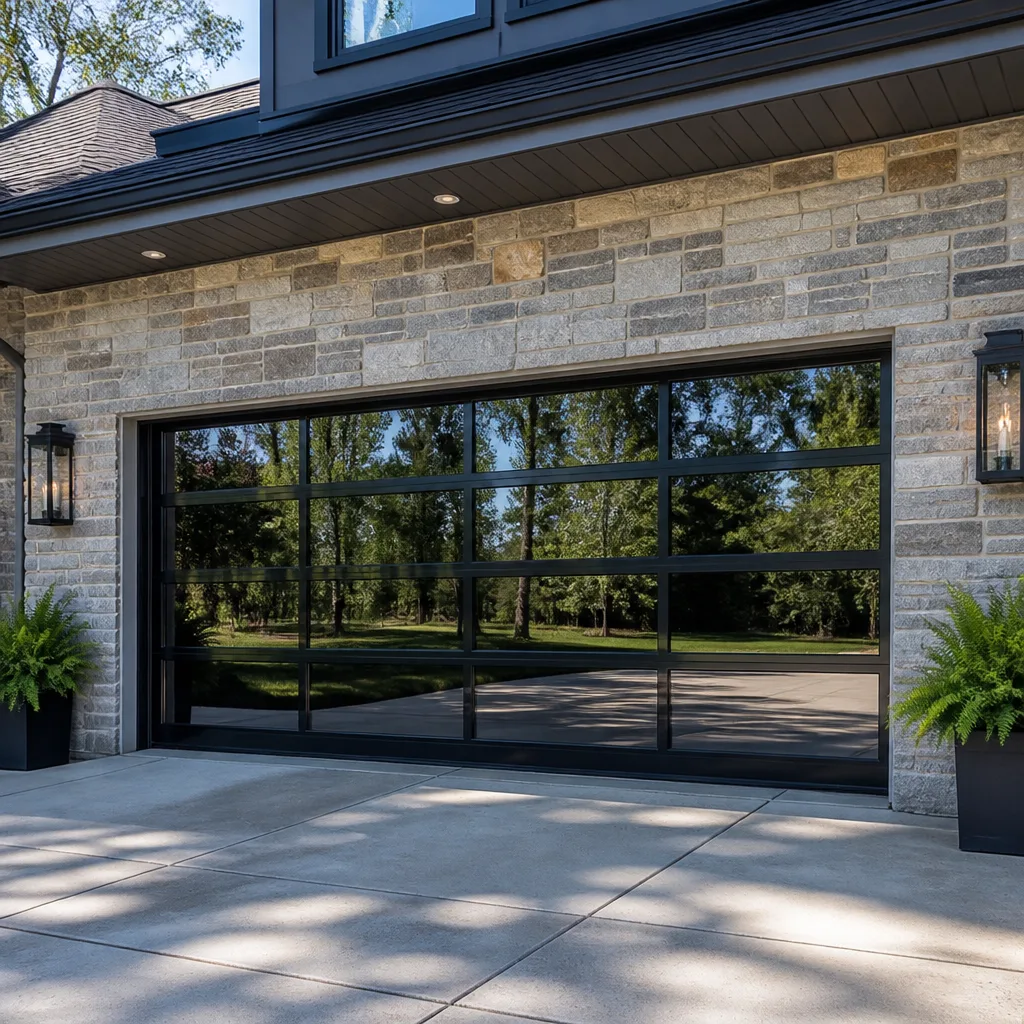 Full-view glass
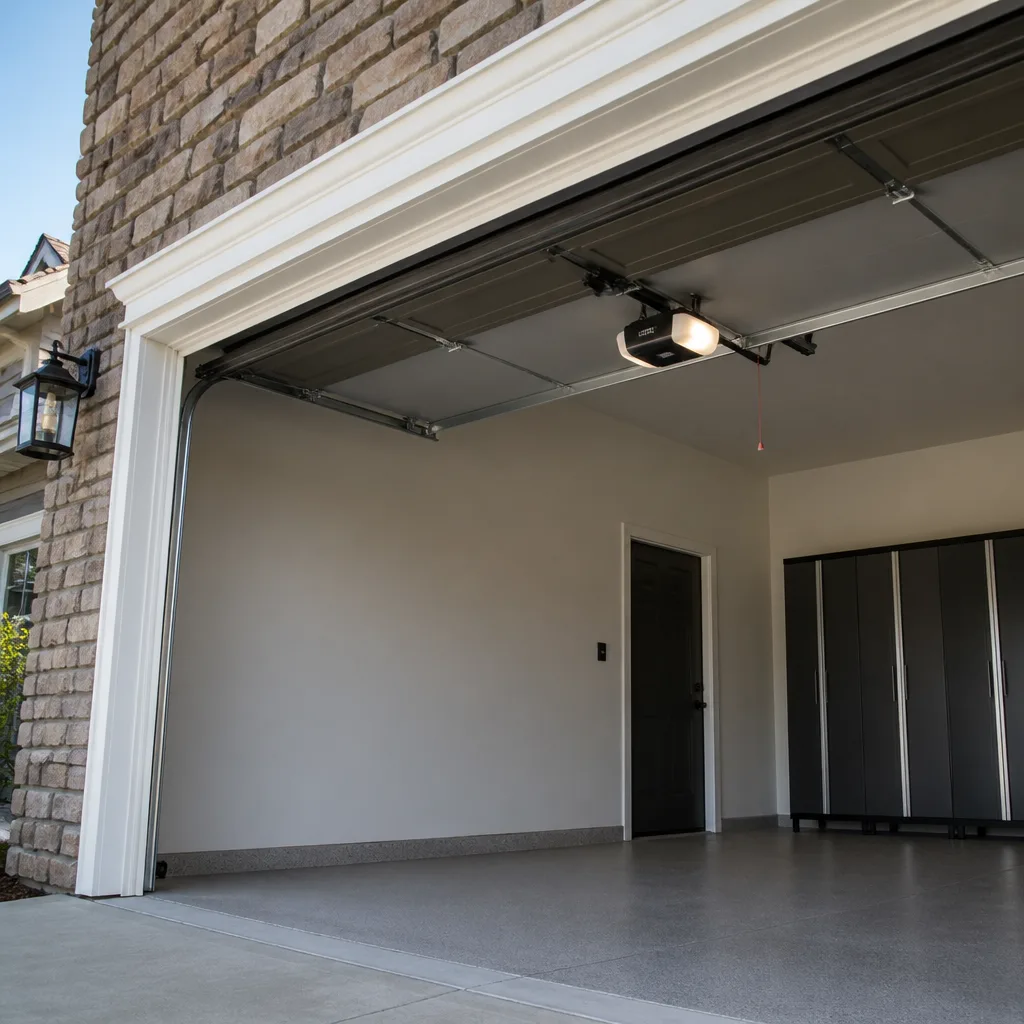 LiftMaster openers
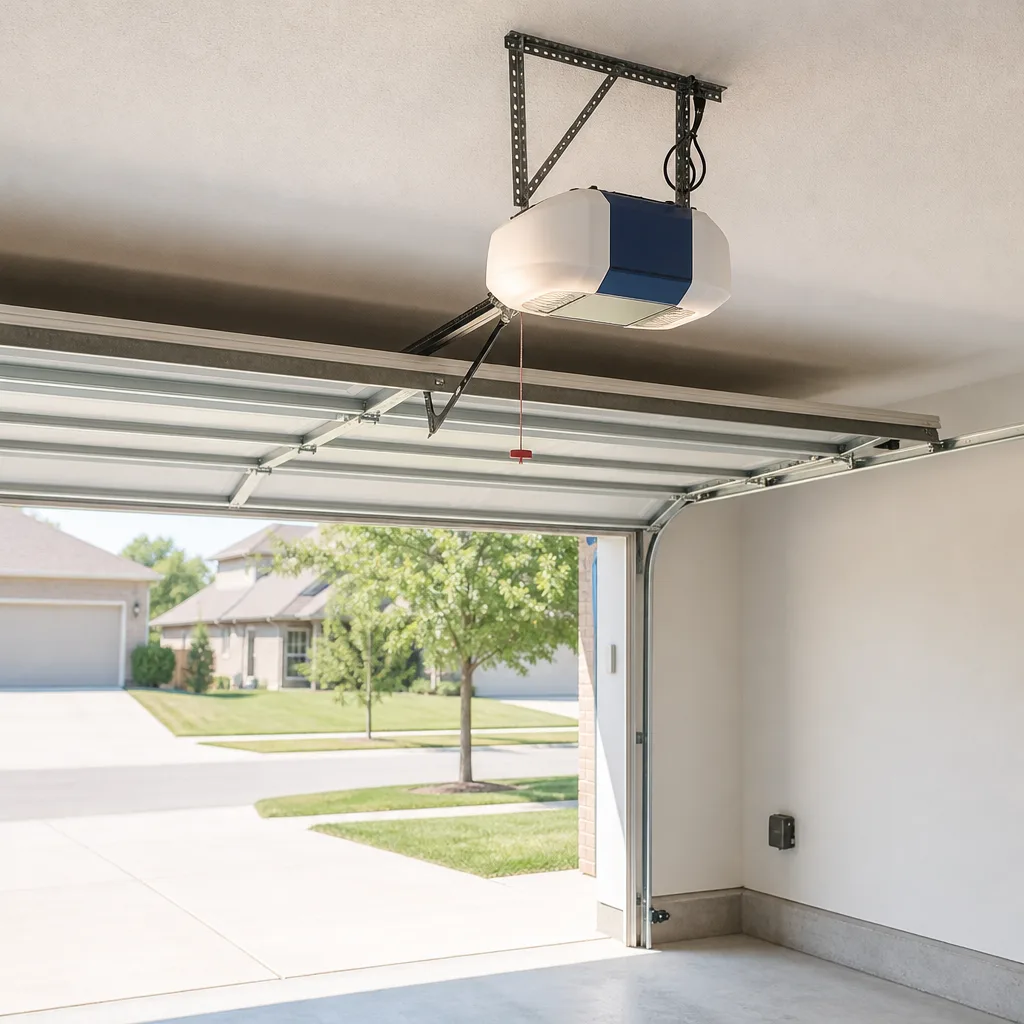 Chamberlain openers
Full 25-point door and opener safety check with every visit - springs, cables, rollers, tracks, and your LiftMaster or Chamberlain opener included
You get a price before we start. It does not change when the truck arrives.
Get your free estimateGarage Door Repair Maintenance Checklist for West Covina Homeowners
There’s one maintenance task West Covina homeowners almost always skip that costs them a $300 spring replacement within two years. It takes four minutes and a $6 can of lubricant. We know because we’ve walked up enough driveways in West Covina where the springs snapped not from age, but from dry friction grinding metal against metal for months. This guide is the checklist we wish every homeowner had taped to the inside of their garage door. You’ll learn exactly what to do, when to do it, what to skip, and when the cheapest move is calling someone who does this every day.
Styles & brands we work with
Quick Answer
The garage door maintenance checklist for West Covina homes boils down to five tasks: lubricate moving parts every six months, test the auto-reverse safety feature monthly, inspect torsion springs for wear each season, tighten hardware annually, and clean the tracks as needed. Because West Covina’s climate swings from bone-dry Santa Ana winds to damp winter mornings, the order matters more than the list itself. Do these five things in the right sequence and you’ll add years to a garage door that would otherwise fail early.
Table of Contents
- Why West Covina’s Climate Changes the Checklist
- The Month-by-Month Maintenance Timeline
- What to Lubricate (And What to Skip)
- How to Test the Safety Reverse in Under 60 Seconds
- Inspecting Torsion Springs From the Ground
- When a DIY Checklist Stops Being Enough
- Common Mistakes to Avoid
- When to Call a Professional
- Frequently Asked Questions
- The Bottom Line
Why West Covina’s Climate Changes the Checklist
West Covina sits in the San Gabriel Valley, which means something most national garage door guides ignore: the air here is aggressively dry for large chunks of the year. Relative humidity regularly drops into the teens during Santa Ana wind events, and those winds carry fine dust from the inland valleys straight into garage door tracks, rollers, and hinge pins. That dust mixes with whatever lubricant is present and turns into a grinding paste. If you follow a generic checklist written for a humid climate, you’ll actually speed up wear on your door rather than prevent it.
The second factor is sun. West Covina averages more than 280 sunny days per year, and that UV exposure bakes the exterior finish of garage doors in ways you won’t see on coastal homes. Paint fades, weatherstripping turns brittle, and rubber seals crack. But the bigger issue is heat cycling: a garage door face that bakes at 140 degrees all afternoon and then cools to 55 at night is a door that expands and contracts constantly. That movement loosens hardware faster than in more temperate climates.
So the West Covina version of a maintenance checklist isn’t just about doing tasks. It’s about doing them in an order that accounts for dust, heat cycles, and UV damage. The month-by-month timeline below is calibrated to that reality, not to some four-season calendar that doesn’t apply here.
The Month-by-Month Maintenance Timeline
Most maintenance guides assume four seasons. West Covina really has three: a long hot season from May through October, a short mild season in November and April, and a cool damp season from December through March. Here’s how to map your garage door care onto that rhythm.
January Through March: The Damp Season
- Check the bottom seal. Winter mornings bring moisture, and a cracked bottom seal lets water wick up into the bottom panel. Run your hand along the rubber strip at the base of the door. If it’s stiff, cracked, or pulling away from the aluminum retainer, it’s time for a replacement. This is a $20 to $40 part that prevents a lot of panel rot in West Covina garages.
- Wipe down the tracks. Damp air lets dust stick to track surfaces. A quick wipe with a dry rag removes the film before it gets ground into rollers.
- Test the safety reverse. Cold temperatures slightly change spring tension. Test the reversing mechanism monthly during this stretch. The method is in the section below.
April Through June: The Transition Window
- Lubricate moving parts. This is the single most important task on the entire checklist. The six-month cycle should land once in spring and once in fall. Use a white lithium grease or silicone-based lubricant, never WD-40. More on that below.
- Tighten hardware. Every bolt and bracket on the door and track gets a quick check. The constant opening and closing through winter loosens things just enough to cause sag.
- Inspect torsion springs. Look for gaps in the coil, rust, or corrosion at the ends. This is a ground-level inspection only. Details below.
July Through September: The Dust Stretch
- Clean rollers and hinges. Santa Ana season kicks dust into everything. A dry rag on hinges and roller stems removes the grit that causes the grinding we hear about most often from West Covina homeowners.
- Re-check bottom seal. Heat accelerates rubber breakdown. A seal that was fine in March may be cracked by August.
- Check the door balance. Disconnect the opener and lift the door manually to about waist height. It should stay put. If it drops, the springs are losing tension. If it shoots up, they’re overtensioned. Both are signs that a Garage Door Spring Repair in West Covina visit is in your near future.
October Through December: The Second Lube and Prep
- Second lubrication of the year. The October lube is the one most people skip because the door still feels fine. But it’s the one that prevents the February spring break. Dry fall air strips lubricant fast.
- Inspect hinges and brackets for cracks. The summer heat cycle is over, and that’s when metal fatigue shows up. Look closely at the hinge arms where they attach to the door panels.
- Test the safety reverse again. This is now your habit for life: once in January, once in October, once any time you think about it. Takes under a minute.
What to Lubricate (And What to Skip)
The most common mistake in any garage door maintenance guide is telling people to lubricate the tracks. Do not lubricate the tracks. The rollers ride inside the track, and greasing the track surface does nothing but collect dust and create sludge. In West Covina, that sludge bakes hard in the summer and makes the door noisy and slow. If you’ve already greased your tracks, wipe them clean with a dry rag and leave them dry.
Here’s what you actually lubricate:
- Rollers: Only if they have exposed metal bearings. Nylon rollers with sealed bearings don’t need lubrication. For metal rollers, apply a small amount to the bearing area, not the wheel surface that touches the track.
- Hinges: Every hinge pivot point on every panel. This is where most squeaking originates.
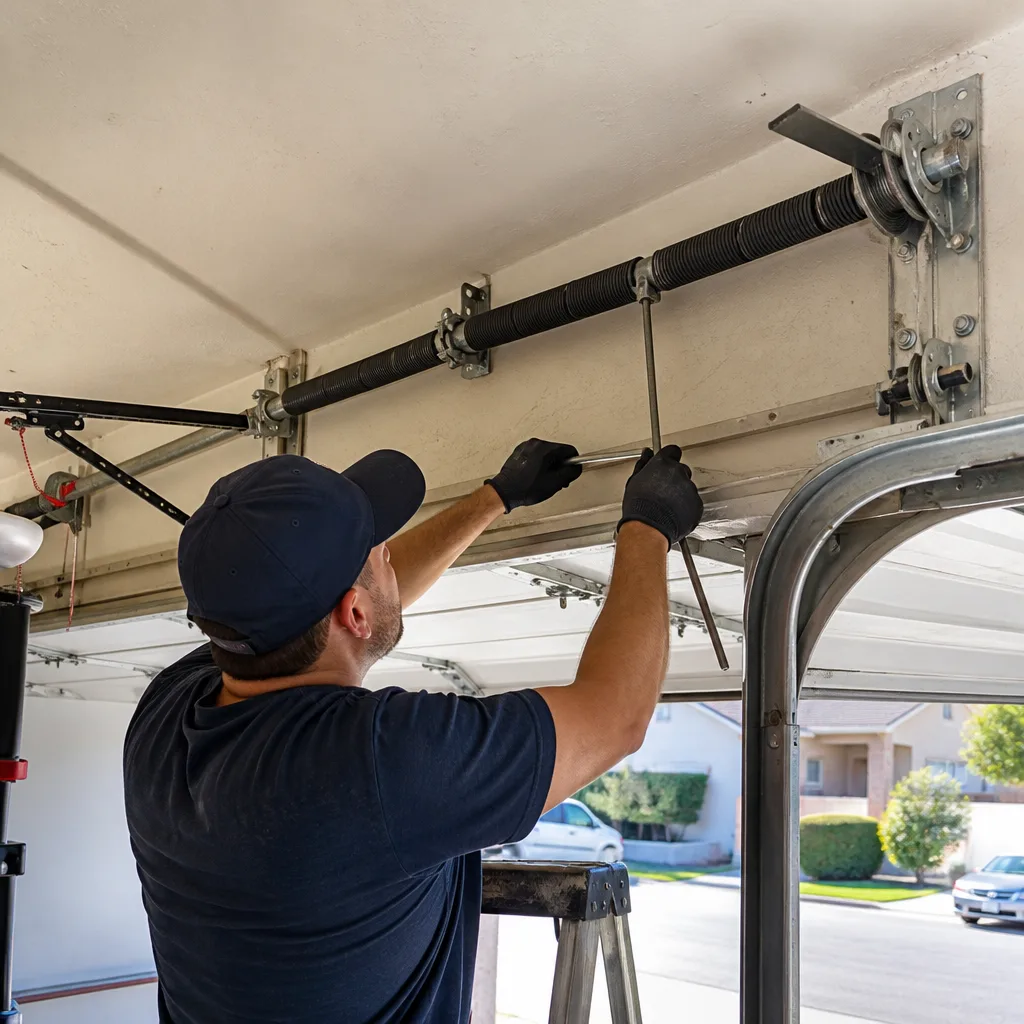
- Torsion spring: The horizontal coil above your door that does most of the lifting. Apply a thin coat of lithium grease along the entire spring. The lubricant works its way between the coils as the spring winds and unwinds. This is the $6, four-minute task from the hook above. Skipping it is how dry coils grind against each other and snap.
- Bearing plates: The flat metal plates at each end of the torsion spring tube. A few drops on the bearing surface.
- Lift cables: A light coat on the exposed cable section near the bottom bracket. Don’t soak them. You’re preventing rust, not lubricating a moving part.
Use white lithium grease spray or a silicone-based garage door lubricant. Avoid WD-40, which is a solvent and actually strips existing lubricant rather than adding it. One can runs about $6 to $9 at any West Covina hardware store and lasts two to three years of twice-yearly applications.
How to Test the Safety Reverse in Under 60 Seconds
The auto-reverse sensor has been required on every garage door opener sold since 1993, but a sensor that’s blocked or misaligned fails silently. The test takes a minute and anyone can do it. Here’s the straightforward version:
- Lay a roll of paper towels flat on the ground in the center of the door’s path.
- Press the button to close the door normally.
- Watch what happens when the door contacts the roll. It should reverse fully within two seconds of touching the object.
- If the door crushes the roll or doesn’t reverse, check that the photo-eye sensors on either side of the track at ankle height are aligned. A small red light on each sensor should be steady, not blinking.
- Test again. If it still fails, leave the door disconnected from the opener and call a professional. A door that doesn’t reverse is a genuine safety hazard, especially with kids or pets in a West Covina household.
While you’re testing, listen for how the door reverses. A healthy door reverses smoothly and quietly. A door that shudders or bangs when it changes direction is telling you the springs or rollers are worn. That’s the moment to check out Garage Door Repair in West Covina options before a small issue becomes a broken spring.
Inspecting Torsion Springs From the Ground
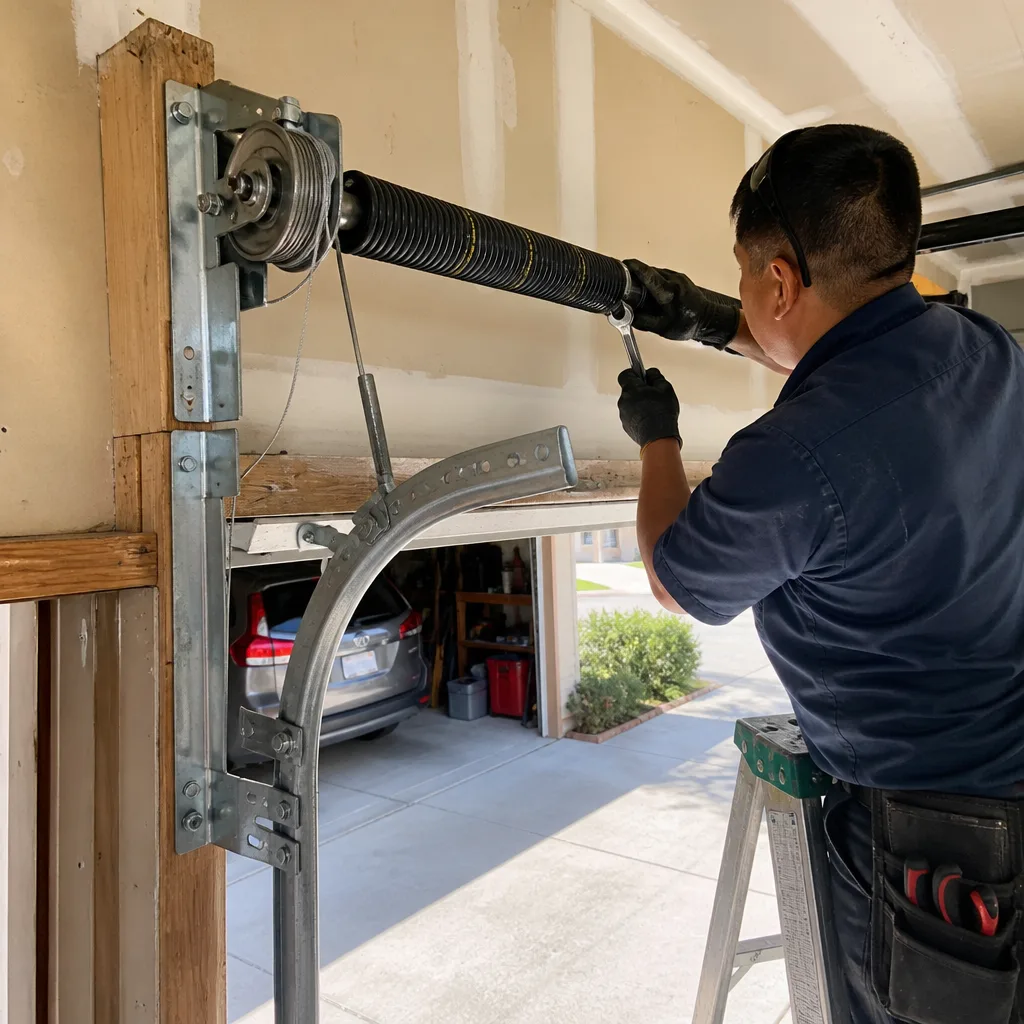
Torsion springs are under enormous tension. The average residential spring is wound tight enough to hold several hundred pounds of door weight, and the energy release from a broken spring can cause serious injury. Never touch, adjust, or remove a torsion spring yourself. This inspection is eyes-only, from the ground, with the door closed.
What to look for:
- Gaps in the coil. A healthy torsion spring is a tight continuous coil. If you can see a visible gap between any two coils, that spring is fatigued and close to failure. A gap means the metal has permanently stretched.
- Rust. Light surface rust is cosmetic and common in West Covina’s dry climate. Deep rust that flakes when you run a gloved finger over it has compromised the metal. Rusted springs break sooner than clean ones.
- Wear at the ends. The spring connects to a stationary cone at each end. Look for any separation between the spring coil and the cone, or any sign that the spring has shifted off-center.
- Two springs, two pressures. Doors over about 10 feet wide usually have two springs. If one looks newer than the other, or if one has a visible gap while the other is tight, you’re likely running on uneven tension. That puts extra load on one side of the door and wears rollers and hinges quickly.
Most springs are rated for about 10,000 cycles, which translates to roughly 7 to 10 years for the average West Covina household that opens the door three or four times a day. If your springs are in that age range and you see any of the warning signs above, schedule a replacement before it breaks at 7 a.m. with your car trapped inside. The cost of a garage door spring replacement in West Covina typically runs $150 to $290 per spring, which is far cheaper than the emergency call when it snaps under load.
When a DIY Checklist Stops Being Enough
There’s a point where maintenance stops being maintenance and becomes repair, and pushing past that point costs more money, not less. Here’s how to recognize the line.
Cable fraying. Look at the lift cables that run from the bottom brackets up the sides of the door. If you see individual wire strands separating from the cable, that cable is failing. The average garage door cable in West Covina lasts 5 to 8 years before the heat-dry cycle starts breaking strands. Once a cable frays, it’s a countdown to a snapped cable, and a snapped cable on one side means the door drops diagonally, which damages panels, tracks, and whatever is under it. Garage door cable repair in West Covina is a professional job, full stop. The cables work alongside the springs under high tension.
Door doesn’t stay put. The balance test mentioned in the timeline section is the earliest warning sign of spring fatigue. A door that drops when you lift it manually is a door that’s about to eat its own rollers and hinges because the opener motor is now doing all the lifting work. That’s a $350 to $600 opener repair waiting to happen, versus a spring replacement that costs half that.
Persistent grinding sounds. A squeak that responds to lubrication is maintenance. A grinding sound that persists after lubrication is a worn bearing, a bent track, or a roller that’s seized. Each of those gets worse with every cycle.
Panel damage or misalignment. If the door is visibly crooked in the opening, or if a panel is cracked or dented, the underlying cause is structural. A door that’s been in an accident or caught by a misaligned track needs measured repair, not a lube job.
In our experience working on doors across West Covina, the homeowners who pay the least over a decade are the ones who do the maintenance we’ve outlined and then call early when something crosses the line from maintenance into repair. The ones who pay the most are the ones who keep adjusting and patching until the whole system fails at once.
Common Mistakes to Avoid
- Lubricating the tracks. Tracks are not a lubrication point. Adding grease turns the track into a dust trap, and in West Covina’s dry season that dust hardens into a paste that makes your door louder and slower. Keep tracks clean and dry.
- Using WD-40 on springs and rollers. WD-40 is a penetrating solvent, not a lubricant. It strips the existing grease and leaves the metal drier than before. Use white lithium grease or silicone-based garage door lube.
- Ignoring the bottom seal until winter. When the summer heat cracks the bottom seal, the dust gets in through that gap for months before the rain does. Check it every season, not just when you’re worried about water.
- Only testing the safety reverse when the door is acting up. The auto-reverse is your most important safety feature. Testing it monthly takes less than a minute and catches sensor misalignment before it causes an accident.
- Assuming both springs will break at once. Two-spring doors often lose one spring while the other looks fine. Replacing only the broken one leaves the door running on mismatched tension, which wears everything else faster. Always replace both when one fails.
- Waiting to address a frayed cable. A frayed cable is already broken, it just doesn’t know it yet. The remaining strands are holding the same weight the full cable was designed for. It’s not a maintenance item. It’s an immediate call.
- Over-tightening hardware. There’s a torque spec for garage door bolts, and it’s lower than most people think. Over-tightening strips the threads on the soft steel brackets and makes the entire mount weaker. Snug is enough.
When to Call a Professional
Call a professional the moment you see a frayed cable, a gap in a torsion spring coil, a door that won’t stay balanced, or a safety reverse that fails testing. These are not maintenance issues, and each one carries a real risk of injury or property damage if handled wrong. Torsion springs and lift cables are under enough tension to cause serious harm, and no checklist replaces a trained hand for that work. Marlow Garage Door Repair West Covina offers free estimates in West Covina. Call (831) 216-7932 and you’ll get a real person on the phone, a written price before any work begins, and a 365-Day Done Right Promise on every repair.
Frequently Asked Questions
A basic maintenance visit in West Covina typically runs $85 to $150, which includes lubrication, hardware tightening, balance testing, and a safety reverse check. Spring replacement runs $180 to $340 on average, depending on spring type. Every price we quote is written down and agreed to before any wrench turns, so you’ll never see a surprise on the invoice. Call (831) 216-7932 for an exact quote on your door.
Twice a year, once in spring and once in fall, is the right cadence for West Covina’s climate. The dry fall air and Santa Ana dust strip lubricant faster than most climates, so the October application is at least as important as the spring one. Use white lithium grease or silicone spray, never WD-40.
No. Lift cables are under the same high tension as torsion springs, and a failing cable can snap without warning when you’re working near it. This is professional work. The technicians at Marlow’s cable repair service in West Covina replace both cables as a set and rebalance the door afterward, which is the part most DIY attempts miss.
Look for a visible gap between coils in the torsion spring, rust that flakes off, or a door that drops when you lift it manually halfway. Any of those three signals means a spring has lost its tension and is approaching failure. Springs typically last 7 to 10 years in West Covina, depending on how often you cycle the door.
Our technicians are trained on eight major brands, including Genie, Clopay, Amarr, and Wayne Dalton, plus LiftMaster, Chamberlain, Craftsman, and Raynor. That means the person who shows up at your West Covina door already knows the specific quirks of the opener and door hardware you have installed, rather than learning it on the spot.
No. The written price you receive before work starts is the price on the invoice, period. The 365-Day Done Right Promise is written into every repair, and if the fix isn’t right, we return and make it right at no charge for a full year. The number you agree to is the number you pay. Call (831) 216-7932 and we’ll walk you through the exact quote before anyone drives to your home.
The Bottom Line
Garage door maintenance in West Covina comes down to five things, done in the right order for our specific climate: lubricate the right parts twice a year, test the safety reverse monthly, inspect torsion springs every season, keep the bottom seal intact, and tighten hardware annually. Skip the track-lubricating advice from generic checklists, use the right product, and respect the line between maintenance and repair. When something crosses that line, a trained professional with a written price and a 365-Day Done Right Promise is the cheapest long-term move. Start with the four-minute lube job this month, and your door will outlast most of the neighbors’ doors on your West Covina block. For everything else, Marlow Garage Door Repair West Covina home has you covered with free estimates and live phone support around the clock.
Written by Jaylen Ross, Owner at Marlow Garage Door Repair West Covina, serving West Covina since 2002.
See the difference
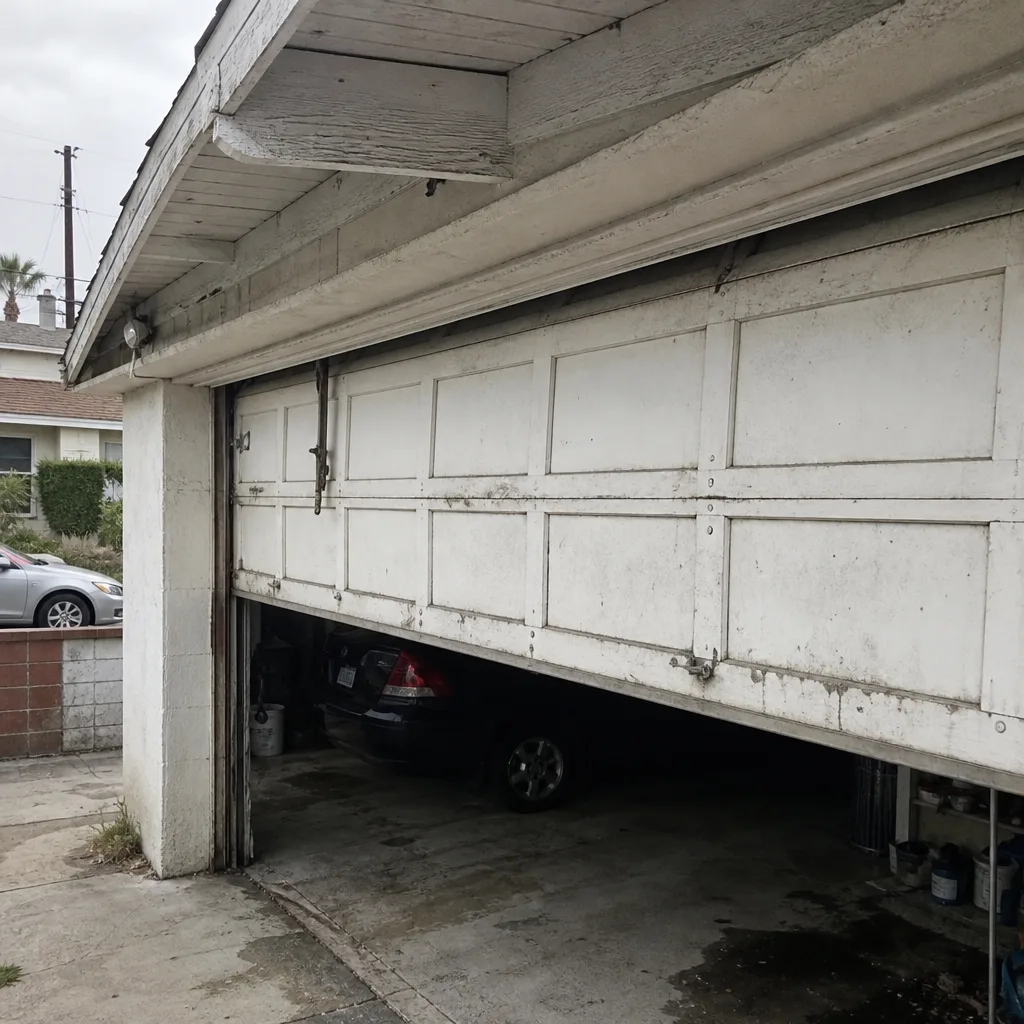 Before
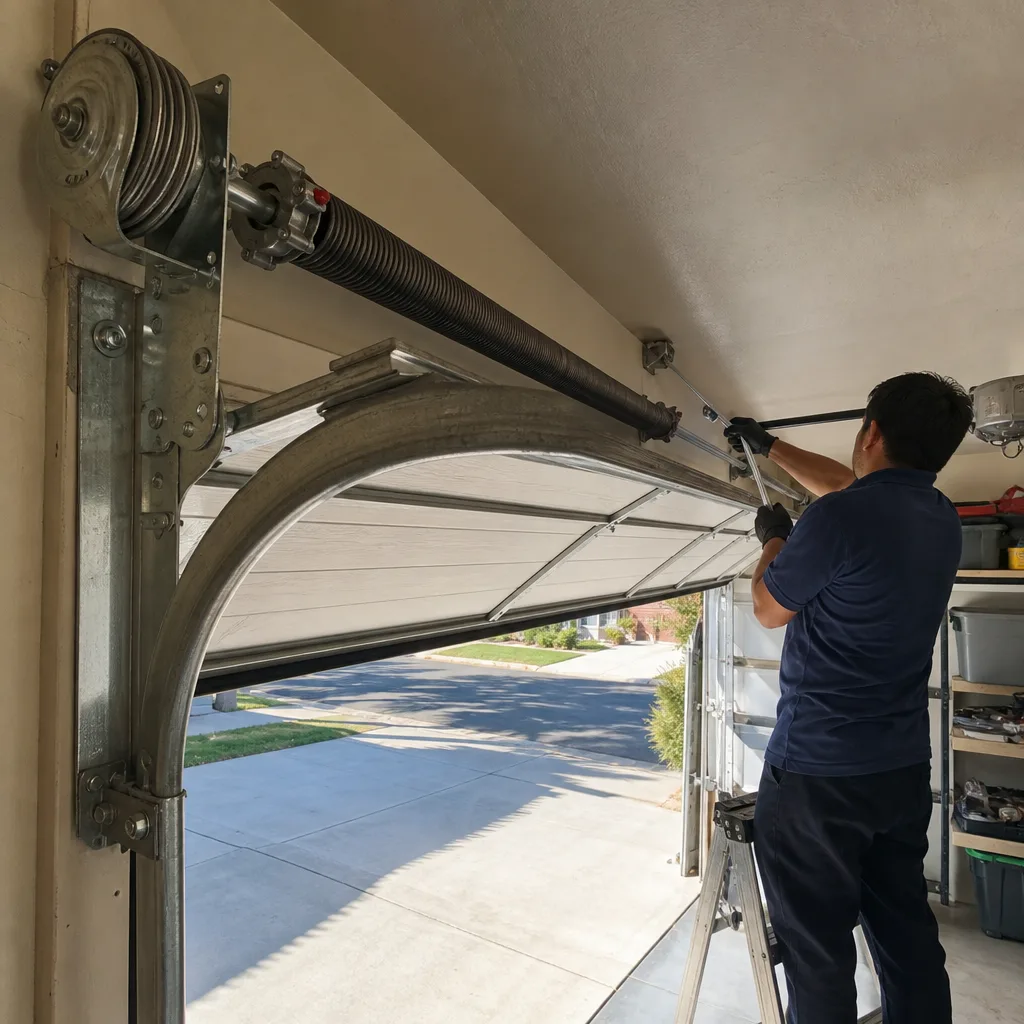 After
After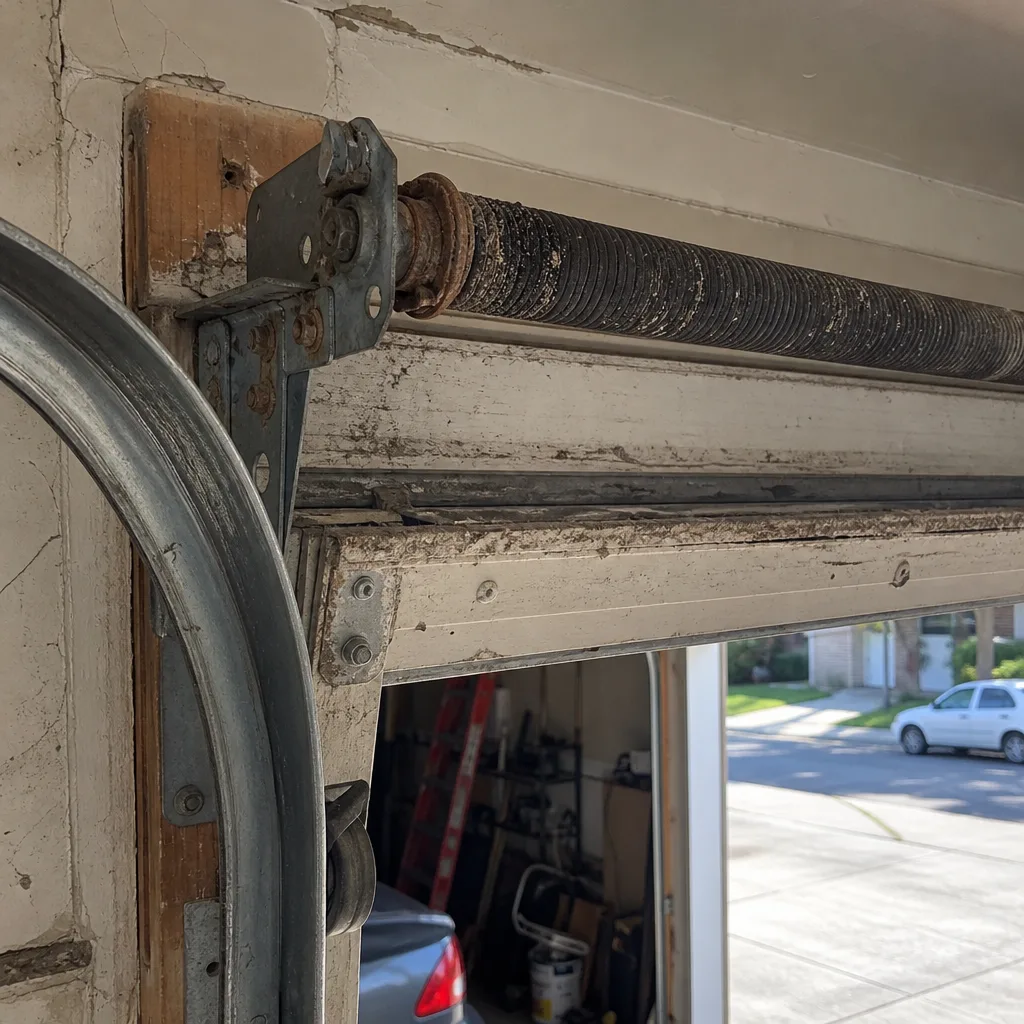 Before
 After
After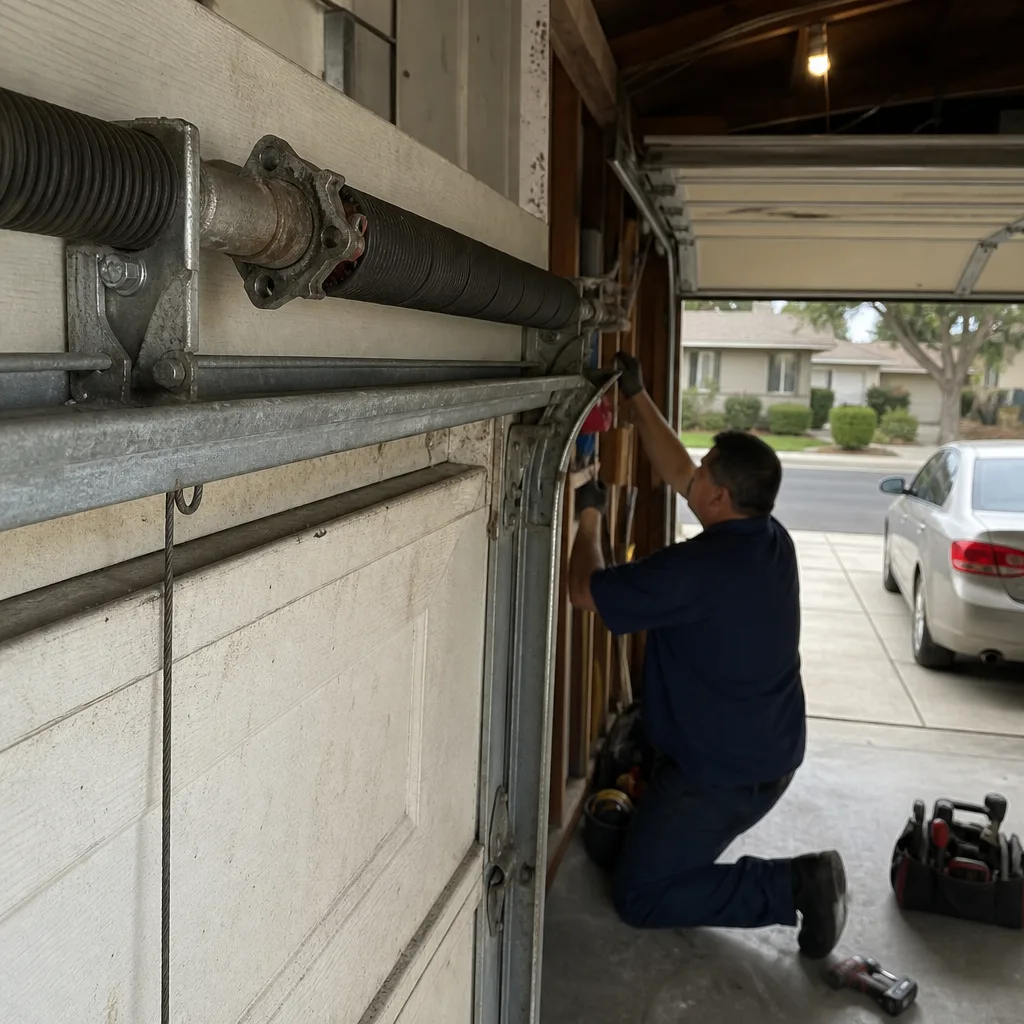 Before
 After
After