
Last updated October 16, 2026
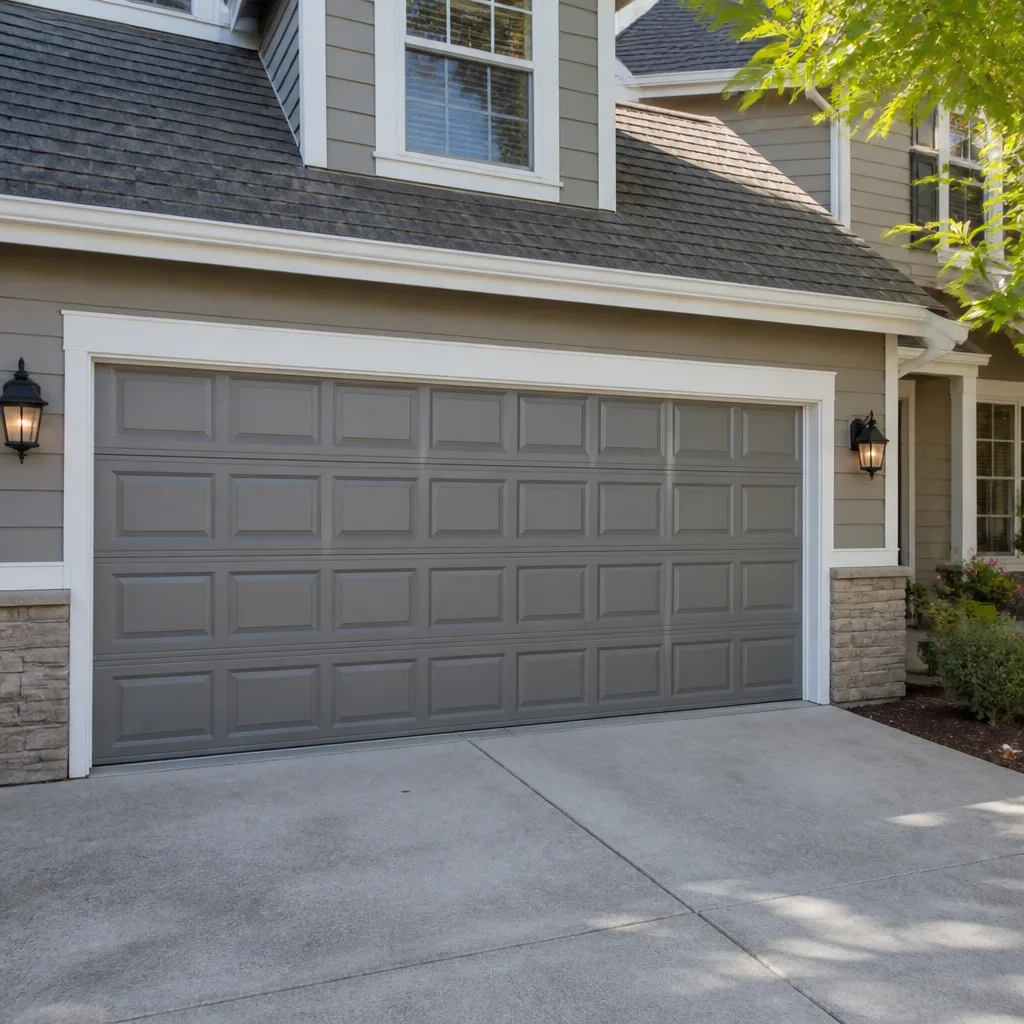 Raised-panel steel
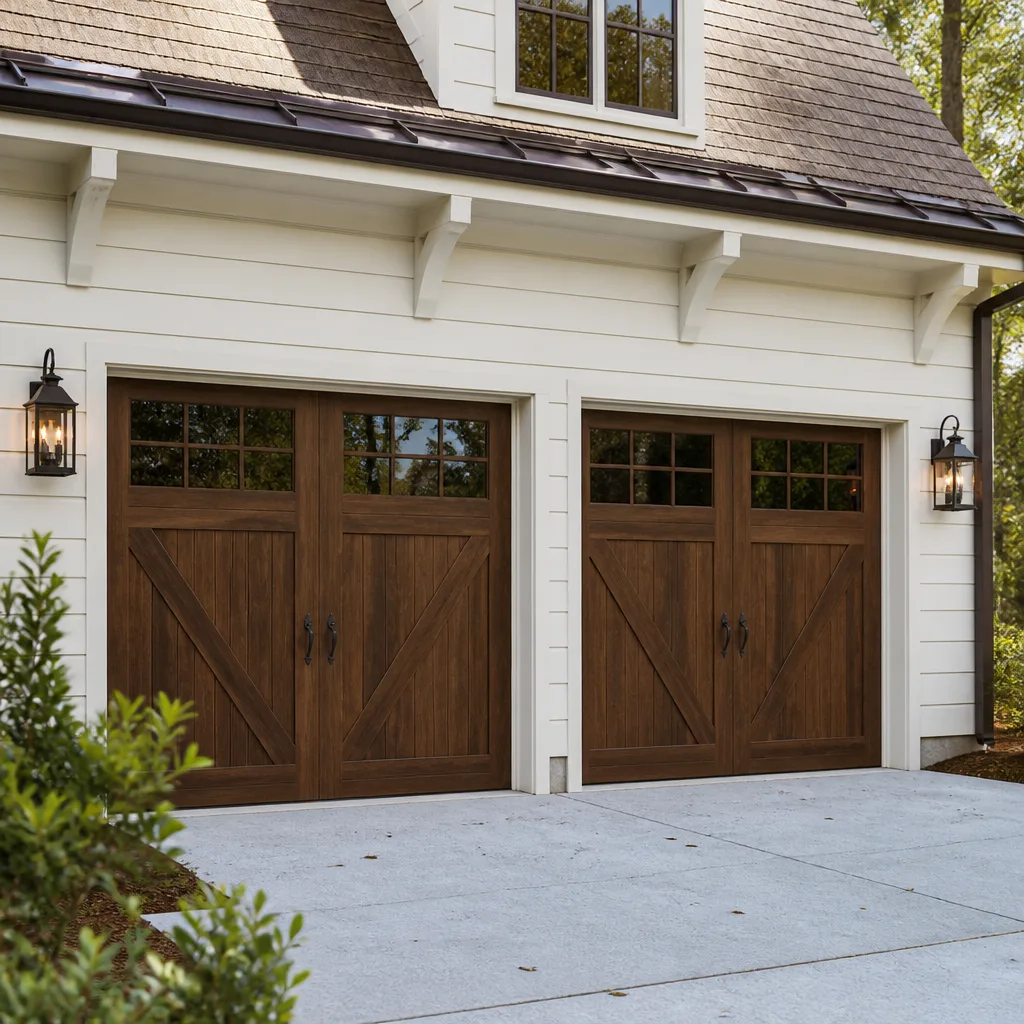 Carriage house
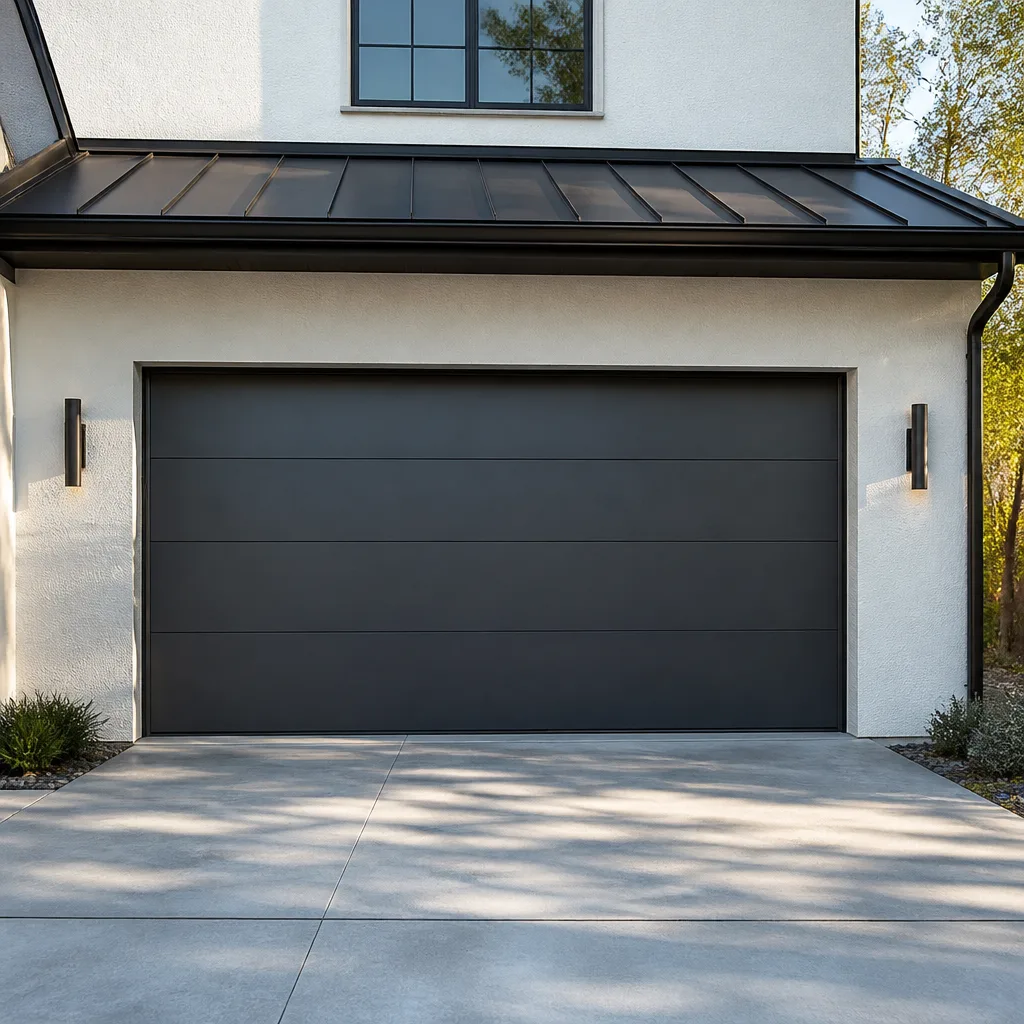 Modern flush
 Full-view glass
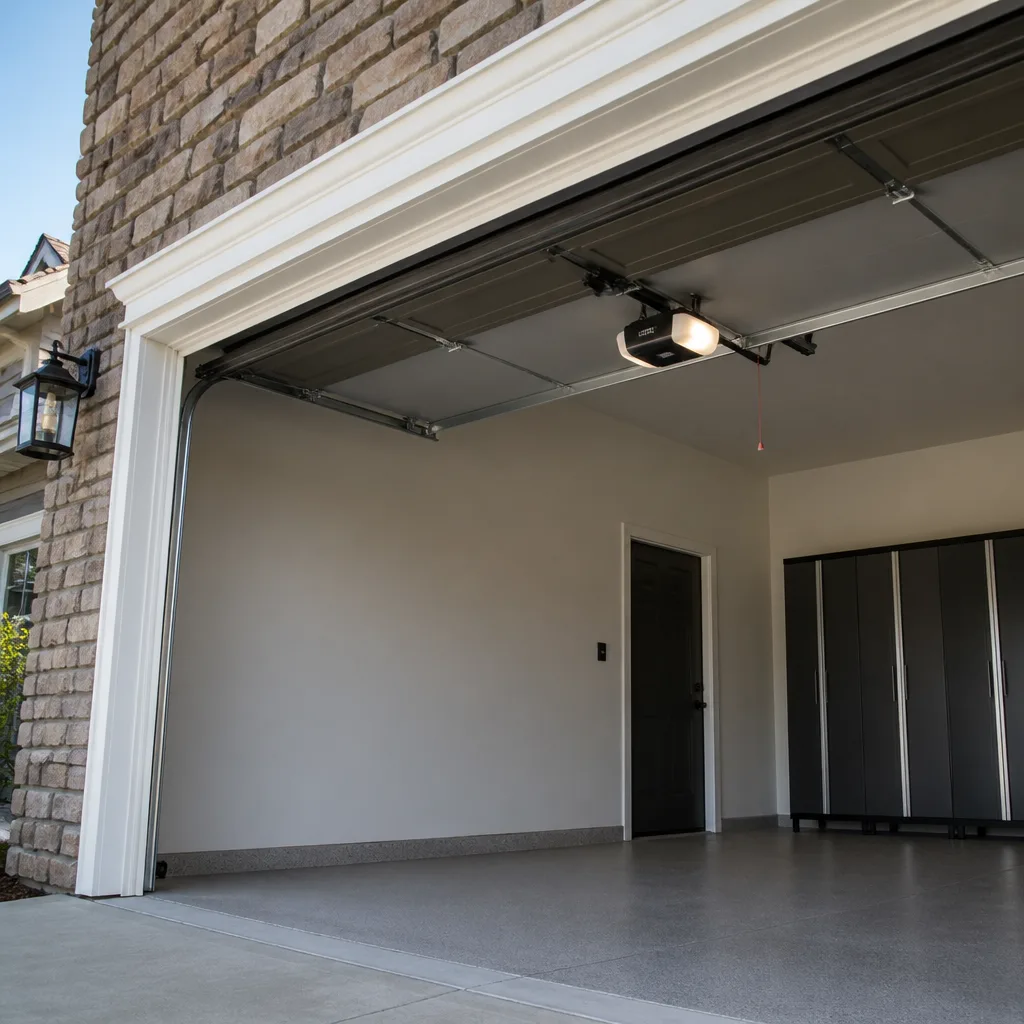 LiftMaster openers
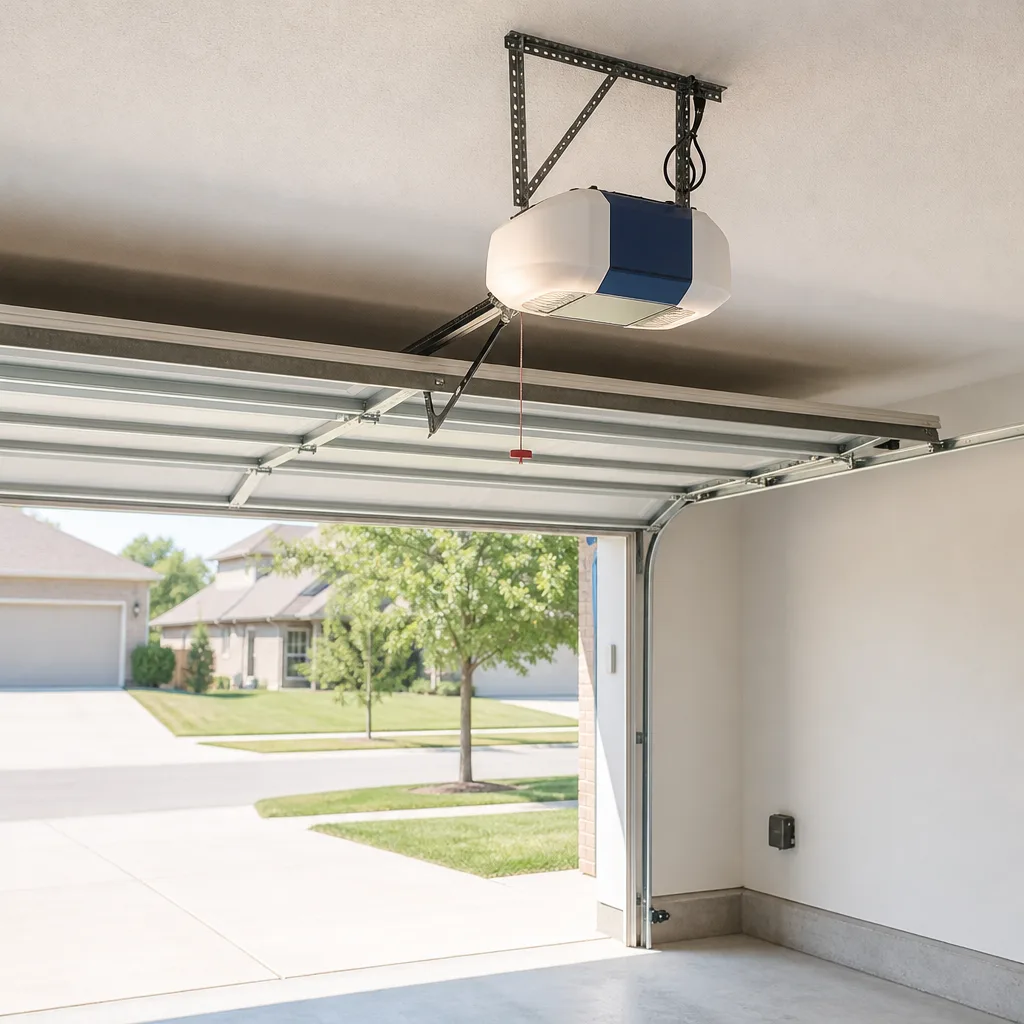 Chamberlain openers
Full 25-point door and opener safety check with every visit - springs, cables, rollers, tracks, and your LiftMaster or Chamberlain opener included
You get a price before we start. It does not change when the truck arrives.
Get your free estimateDIY vs Professional Garage Door: The West Covina Homeowner’s Decision Guide
Here’s something most garage door guides won’t tell you straight: the DIY-versus-professional line isn’t a gradient. It’s a hard border that runs through three specific components. A torsion spring under tension carries enough stored energy to shatter bone if it releases wrong. That’s not drama, it’s physics. Meanwhile, a misaligned safety sensor is something you can fix with a screwdriver and four minutes. The problem isn’t that homeowners in West Covina lack the skill to turn a wrench. It’s that most advice online treats every garage door task as if it belongs in the same risk bucket when it absolutely does not. This guide draws that line for you, task by task, with the mechanical reason behind each call. For more, see our Garage Door Repair Maintenance Checklist for West Covina Homeowners. By the end, you’ll know exactly which repairs you can do this weekend, which ones you shouldn’t touch, and the point where paying a pro in West Covina actually saves money.
Styles & brands we work with
Quick Answer
Most garage door maintenance tasks in West Covina, like lubricating rollers or tightening loose bolts, are safe DIY jobs. Torsion spring replacement, cable work, and full door replacement are not; those carry serious injury risk and require a trained technician. The decision isn’t about your handiness. It’s about whether the component stores spring tension, bears the full weight of the door, or needs specialized tools.
Table of Contents
- The Three-Tier Risk Model: Safe DIY, Risky DIY, Never DIY
- Safe DIY Tasks: What You Can Do This Weekend
- Risky DIY Tasks: Proceed With Caution
- Never DIY Tasks: The Spring and Cable Line
- The Real Cost Math: When a Pro Is Cheaper Than DIY
- Monthly Maintenance: What West Covina Homeowners Can Safely Handle
- The Insurance and Liability Angle No One Mentions
- How to Verify a Pro Fixed the Root Cause, Not Just a Symptom
- Common Mistakes to Avoid
- When to Call a Professional
- Frequently Asked Questions
- The Bottom Line
The Three-Tier Risk Model: Safe DIY, Risky DIY, Never DIY
In our experience across West Covina service calls, about two-thirds of the jobs we see could have been prevented with routine maintenance the homeowner could have done themselves in fifteen minutes. The other third are failures where a homeowner attempted a repair they shouldn’t have and made the damage worse, sometimes doubling the final bill. The distinction comes down to stored energy. A garage door weighs between 130 and 250 pounds depending on the material. West Covina homes built in the 1960s and 1970s often have solid wood doors on the heavier end of that range, while newer developments east of Azusa Avenue tend toward lighter aluminum and steel. That weight is either held by cables, lifted by springs, or both. When you understand what’s holding the weight at any given moment, the risk level of a repair becomes obvious.
The three tiers we use with customers are simple. Safe DIY covers anything that doesn’t require you to release spring tension or load-bearing fasteners: lubrication, track cleaning, sensor alignment, opener programming, seal replacement. Risky DIY includes anything that involves removing or loosening fasteners that hold tension but can be done with a door in the fully open position where spring tension is at its lowest: roller replacement on non-bottom brackets, hinge tightening, opener force adjustment. Never DIY covers anything where a spring, cable, or bottom bracket must be unbolted to complete the repair. That last category is where the emergency room visits and the crushed fingers happen. It’s also where Garage Door Repair in West Covina calls come from most often on Monday mornings.
Safe DIY Tasks: What You Can Do This Weekend
These jobs require no spring tension release and no load-bearing disassembly. You need a step ladder, a socket set, white lithium grease, and about an hour. None of these tasks will void a warranty on a Clopay or Wayne Dalton door, and none of them put you in the path of stored energy.
1. Lubricate rollers, hinges, and the torsion spring
Use white lithium grease or a silicone-based garage door lubricant. Never use WD-40; it’s a degreaser that strips away what little lubrication remains. Spray the rollers where the wheel meets the bracket, not the track itself. A light coat on the torsion spring coils stops the squeak that West Covina neighbors hear down the block. Do this every four to six months. In the dry heat of a San Gabriel Valley summer, metal-on-metal wear accelerates quickly, and lubrication is the single highest-value maintenance task you can do for free.
2. Test and realign safety sensors
The two photo eyes near the bottom of the door tracks, one on each side, stop the door from closing on a child, pet, or car bumper. Dust, spider webs, or a bump from a trash can knocks them out of alignment constantly. If your door reverses immediately after touching the ground or won’t close at all, check the small LED lights on each sensor. One or both will be blinking. Loosen the wing nut on the mounting bracket, adjust until both lights are steady, tighten. That’s the whole job.
3. Inspect and replace the bottom weather seal
The rubber strip along the bottom of the door keeps out dust, water, and the occasional field mouse during West Covina’s winter rains. If you see daylight under the door when it’s closed, the seal is shot. A replacement U-shaped seal costs $15 to $30 at any hardware store, slides into the aluminum retainer channel, and takes ten minutes. No tools beyond a utility knife required.
4. Tighten loose hardware
A garage door cycles thousands of times per year, and vibration works every bolt loose eventually. Go around the door with a socket wrench and check hinge bolts, track brackets, and opener mounting hardware. Snug them down. Don’t overtighten; these fasteners thread into wood or sheet metal, and stripping them creates a bigger problem than the one you’re solving.
5. Clean the tracks
Wipe the inside of the vertical and horizontal tracks with a dry rag. Remove any packed dirt or debris. Do not use grease in the tracks; it collects grime and causes the rollers to bind. If the track itself is bent, that’s not a cleaning issue. Bent tracks are a pro job, because a door coming off its track while traveling is carrying enough momentum to do real damage.
Cost of these five tasks: under $40 in supplies, zero dollars in labor, roughly one hour of your time. That’s the math that makes DIY the obvious call for maintenance.
Risky DIY Tasks: Proceed With Caution
These jobs sit in a gray zone. Technically doable by a capable homeowner, but each carries a realistic chance of injury or creating a service call more expensive than the original problem. If you’re comfortable with basic mechanics and can follow instructions precisely, you can attempt these. If you hesitate at any step, stop. The door will wait. Garage Door Repair in West Covina handles these jobs in under an hour most days.
Roller replacement (non-bottom brackets only)
Worn rollers cause grinding and uneven travel, and replacing the top and middle rollers is straightforward. The door stays in the raised position, which means spring tension is at its lowest. The bottom two rollers are a different story: they’re attached to the bottom bracket, which is connected to the cable, which is under load from the spring. Removing a bottom bracket roller without releasing cable tension is how fingers get crushed and cables snap. Replace the easy ones. Leave the bottom brackets to someone trained.
Opener force sensitivity adjustment
If your door reverses halfway down or struggles to lift, the opener’s force setting may need adjustment. Modern Chamberlain and LiftMaster openers have dials on the motor unit or settings in the app. Small turns adjust how much force the opener applies before reversing. But if you set force too high to compensate for a failing spring, you’re masking the real problem. The door will eventually stop moving entirely, or the opener will burn out its gear trying to lift a door the spring no longer helps with. Adjust force only after confirming the door balances correctly when disconnected from the opener. And if it doesn’t balance, see the next section.
Replacing the opener remote or keypad
This is simple electronics, no mechanical work at all. Buy the compatible remote for your Craftsman or Genie opener, follow the pairing instructions, done. The only caution: if the opener’s learn button is difficult to reach and the unit is plugged in, you’re working near moving parts when the door cycles. Unplug the opener while programming.
Never DIY Tasks: The Spring and Cable Line
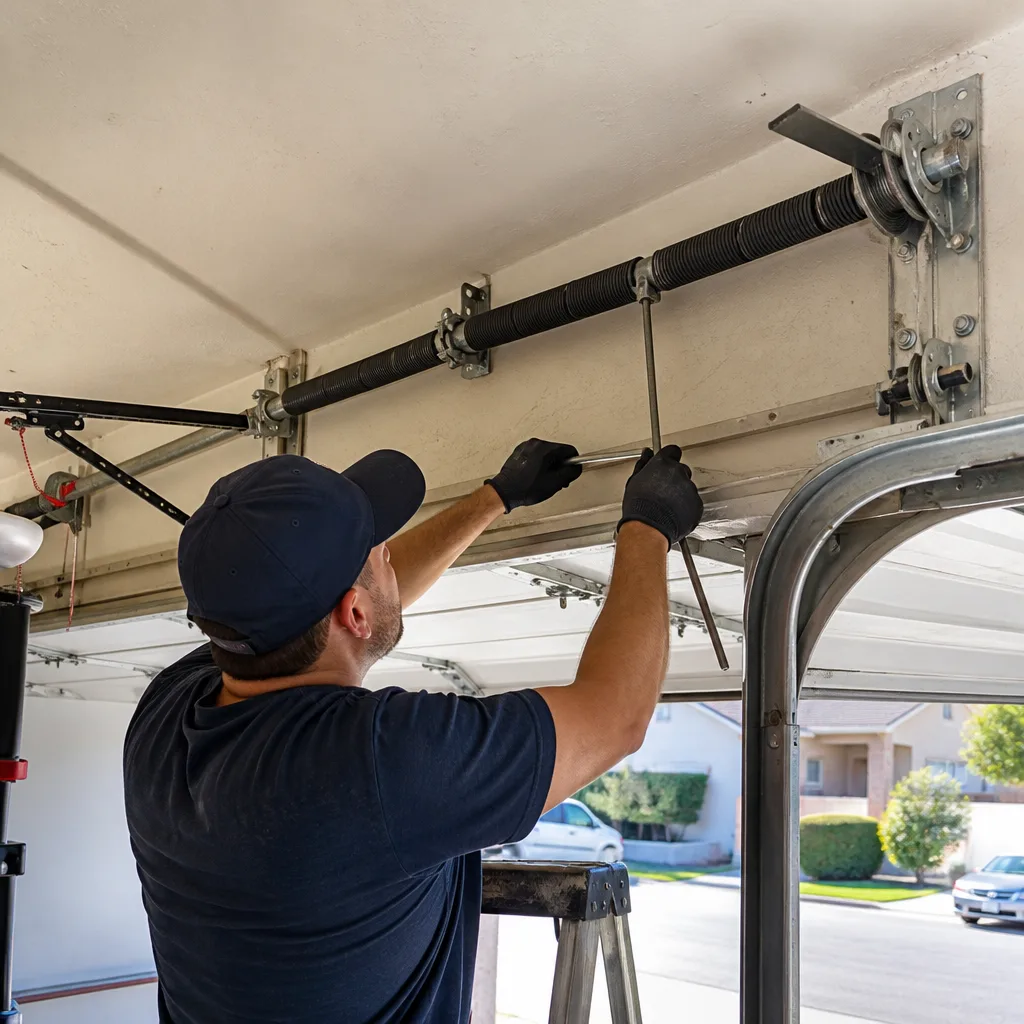
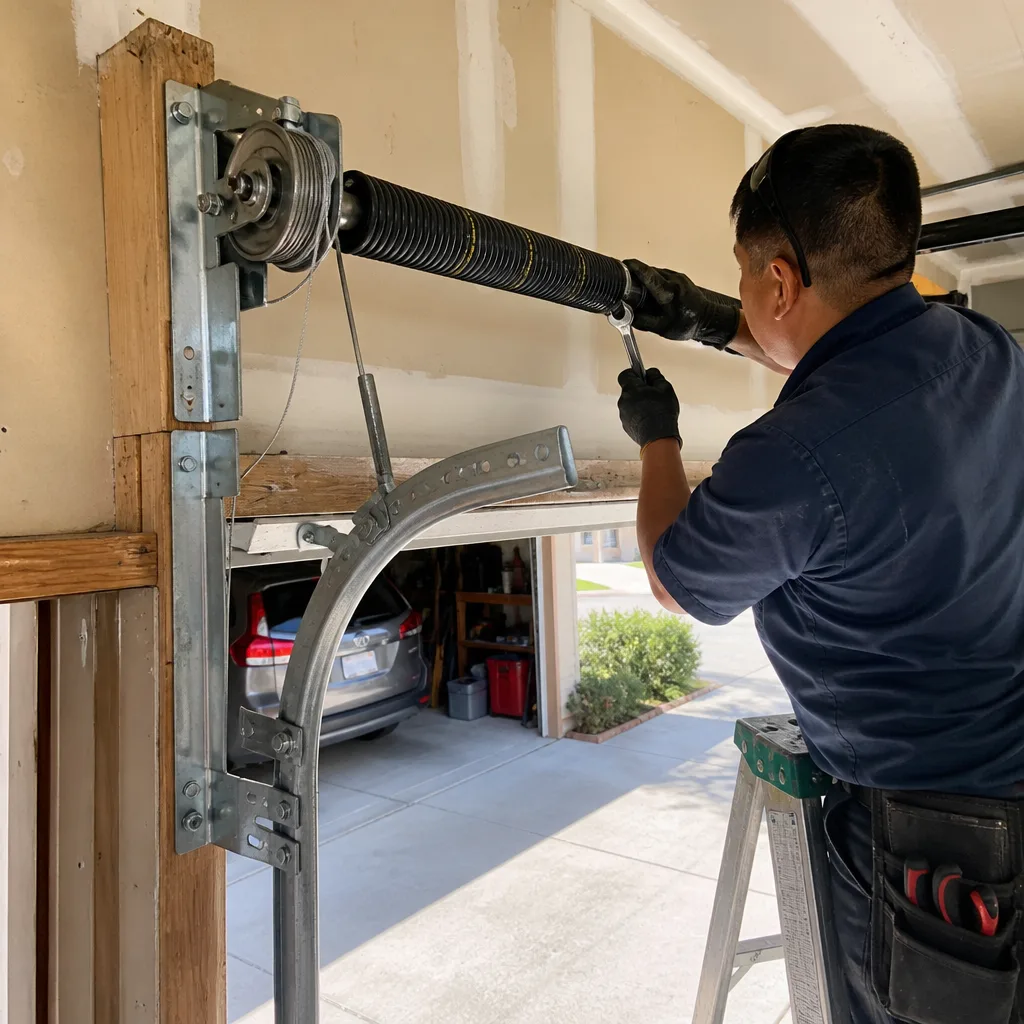
Here’s the line, stated plainly. Any repair that requires unbolting a torsion spring, loosening a set screw on a spring cone, removing a lift cable, detaching a bottom bracket, or working on the spring anchor bracket is a professional job. Full stop. The mechanical reason is simple: torsion springs are wound under 90 to 140 pounds of torque depending on the door weight. When they snap or unwind unexpectedly, that stored energy releases instantly. The metal wound bars used to wind and unwind springs can kick with enough force to break a wrist, a jaw, or worse. This is not an exaggeration for effect. It’s the reason every professional training program teaches spring work with a specific two-bar method and a healthy respect for what the spring is doing.
For context on what spring failure actually looks like, Garage Door Spring Repair in West Covina covers the specifics of torsion versus extension springs, typical lifespans, and what a snapped spring sounds like. It happens most often when the door is closed, the spring under maximum tension, usually in the early morning when the house is silent. West Covina homeowners tell us it sounds like a gunshot in the garage.
Cable work belongs in this category too. The lift cables run from the bottom brackets up along the tracks and wrap around drums at the top. They’re under constant tension from the spring, and they hold the full weight of the door when the spring isn’t doing its job. A frayed cable can snap without warning, whip across the garage, and take out anything in its path, including a person. Garage Door Cable Repair in West Covina is the service page where we walk through the signs of a failing cable. If you see fraying, broken strands, or a door hanging unevenly in the opening, do not operate the door. Call before it gets worse.
The rule we tell every homeowner in West Covina: if you can see the spring or the cable as part of the job description, the job belongs to a trained technician with the right tools and experience. Your spring-loaded garage door weights and two ladders are not the right tools.
The Real Cost Math: When a Pro Is Cheaper Than DIY
The DIY argument usually starts with labor cost. Professional garage door repair in West Covina runs $95 to $180 for a service call and diagnosis, with most repairs landing between $150 and $400 all-in depending on parts. For a detailed breakdown, see our Garage Door Cost Breakdown: The West Covina Homeowner’s Reference for 2026. Spring replacement specifically, the most common repair we do, typically runs $180 to $340 including the spring, labor, and follow-up balancing. Look at that number next to the DIY alternative: a pair of torsion springs costs $60 to $120 at retail, plus winding bars at $25 to $50, plus three to five hours of work if everything goes right the first time. That’s assuming you buy the right springs, which means knowing the door weight, spring diameter, wire gauge, coil length, and wind direction. Get any one of those wrong and the door won’t balance: it either slams or creeps along, putting strain on the opener and wearing out the wrong components.
Then there’s the callback math. If a DIY spring installation fails in six months because the spring wasn’t seated correctly on the cone, you’re paying for another set of springs, another three hours, and the same risk exposure again. Meanwhile, Marlow Garage Door Repair West Covina home covers every spring replacement with the 365-Day Done Right Promise. If the repair isn’t right, we make it right within a full year, written on the invoice, not buried in fine print. That’s a warranty no DIY job comes with.
The tools are a hidden cost too. Winding bars, a proper socket set with impact capability, cable clamps, and a torque wrench add up fast if you don’t already own them. For a one-time spring replacement, the tool investment plus parts plus risk puts DIY at roughly the same price as hiring a pro, with none of the guarantee and all of the danger. When the math stops favoring DIY, the decision makes itself.
Monthly Maintenance: What West Covina Homeowners Can Safely Handle
West Covina’s climate plays a role in garage door wear. The dry summer heat bakes the finish on an Amarr steel door and dries out lubricant on a Raynor door’s moving parts. The winter rains push moisture into seals and tracks. A five-minute monthly routine handles most of what the weather throws at your door. Here’s the list we hand out to customers who want to extend the life of their door between service calls.
The Monthly Five-Minute Check
- Close the door and stand inside. Look for daylight around the edges. Gaps at the sides mean the weatherstripping is worn. Gaps at the bottom mean the bottom seal needs replacing.
- Open the door halfway and release it from the opener using the red emergency cord. The door should stay put. If it drops, the springs are failing and need professional attention. If it rises, the springs are over-tensioned and need adjustment. Either way, call before it becomes a repair.
- With the door still disconnected, lift it manually through its full travel. Listen for grinding, popping, or uneven movement. Smooth and quiet is the goal. Any new noise is a change worth investigating.
- Check the cables while the door is up. Look for frayed strands, rust, or a gap between the cable and the drum. If the cable looks anything less than clean and tight, stop using the door and call.
- Test the auto-reverse feature. Place a roll of paper towels under the door and close it. The door should reverse on contact. This is a legal safety requirement in California, and a door that fails this test is a liability and a hazard.
That’s the whole routine. Five minutes, zero tools, once a month. Homeowners who follow it catch 80% of problems before they become breakdowns. The other 20% are fatigue failures in components that wear out on a schedule regardless of maintenance, which is why even diligent doors need professional inspection every two to three years.
The Insurance and Liability Angle No One Mentions
This is the part that rarely comes up in DIY discussions, and it should. When a homeowner in West Covina attempts a spring or cable repair without the proper Garage Door Permits, Codes & Inspections in CA: What You Need to Know and something goes wrong, the consequences extend beyond the garage. Homeowner’s insurance policies generally cover sudden and accidental damage, but they’re less friendly to damage caused by unlicensed or negligent repair work. If a DIY spring installation fails a month later and the door crashes down on a vehicle, a carrier may deny the claim on the grounds that the damage resulted from improper maintenance or unauthorized modification. The same logic applies to injury claims. If a family member is hurt by a door that was working fine until a well-intentioned weekend project touched the springs, the insurance company has a clear path to argue contributory negligence.
Professional repair changes that calculus. When we perform a spring replacement in West Covina, the work is documented, the parts have manufacturer warranties, and the labor carries our 365-Day Done Right Promise. If a repair fails, the responsibility to make it right is ours, in writing. That’s a different kind of protection than a YouTube tutorial provides. For homeowners with liability coverage, a bigger home, or simply a low tolerance for claims paperwork, that difference matters. The question isn’t just whether you can do the repair. It’s what happens after if it goes wrong.
How to Verify a Pro Fixed the Root Cause, Not Just a Symptom
The most frustrating garage door story we hear in West Covina goes like this: a homeowner paid someone to fix a door, the door worked for a few weeks, and then the same problem came back. Maybe a spring snapped. Maybe a cable frayed. Maybe the opener started struggling again. The fix was a symptom patch, not a root cause repair. Here’s how to check whether the technician actually solved the problem, so you’re not paying twice for the same failure.
Following Our Standard
- Ask what caused the failure. A trained technician should be able to explain the mechanism. If a spring snapped, why? Age, cycle count, rust, a door that’s out of balance? If the answer is “springs just do that sometimes,” you’re talking to someone who doesn’t understand door mechanics.
- Check the balance after the repair. A properly repaired door, disconnected from the opener, should stay put at the halfway point. If it drops or rises, the new spring is the wrong size or the wrong tension. We balance every door after every spring job and show the customer the result.
- Ask about the cables and drums. A spring replacement should include a check of the lift cables and drums. If the spring failed due to age, the cables are likely the same age, and they’re a stress component under constant tension. We inspect both on every spring call.
- Get the written price before any work starts. Our standard is the price is quoted and agreed to before any wrench turns. If a technician can’t or won’t put a number in writing before starting, the invoice at the end is a gamble.
- Look for a guarantee. If the repair has no warranty period, there’s no incentive for the technician to fix the root cause. Our 365-Day Done Right Promise covers every repair for a full year, stated in writing on every invoice.
When you verify these things, the pro-versus-DIY decision doesn’t repeat itself in six months. You get a door that works correctly for years, not weeks.
Common Mistakes to Avoid
- Using WD-40 as a lubricant. It’s a solvent, not a lubricant. It strips away existing grease and leaves metal parts grinding. Use white lithium grease or a silicone-based garage door lubricant instead. We see this mistake on a majority of West Covina service calls where the door squeaks.
- Replacing the opener when the springs are worn. A struggling opener is usually a symptom of a failing spring. The opener is a motor; it’s not built to lift the door alone. West Covina homeowners have bought $300 openers when a $200 spring replacement was the real fix.
- Releasing the emergency cord while the door is open. If the door is open and a spring is broken, pulling the red cord drops the full door weight with nothing to stop it. A 200-pound door coming down in free fall can kill. Never pull the emergency release unless the door is fully closed or you’ve confirmed the springs are intact.
- Trying to force a stuck door open. If the door won’t open, something is binding. Applying more opener force or, worse, manually prying the door risks pulling it off the track or snapping a cable under load. A door comes off its track with sudden violence that no one needs to be adjacent to.
- Buying universal parts without checking compatibility. Springs are sized by wire gauge, coil diameter, length, and wind direction. A “universal” spring is a myth. The wrong spring won’t lift the door properly, and it’ll wear out fast. We see this on DIY jobs that end with a call to us anyway.
- Ignoring a slow or uneven door. If one side of the door starts moving before the other, something is worn or misaligned. Waiting until the door won’t open at all turns a $150 tuning job into a $450 emergency. Pay attention when your door starts talking.
When to Call a Professional
Call a professional when the door is making a popping or grinding sound that wasn’t there before, when it hangs unevenly or stops halfway, when the cables look frayed, or when the door won’t stay in position with the opener disconnected. Call when a spring snaps, which you’ll hear as a loud bang from the garage. Call when the door comes off its track, which means the mechanism has already failed and continued operation will make it worse. And call when you’ve done the monthly checks and something doesn’t feel right but you can’t identify it. A trained eye costs $95 to $180 for the visit, and often the fix is quick once the cause is located. Marlow Garage Door Repair West Covina offers free estimates in West Covina. Call (831) 216-7932 and we’ll put the price in writing before any work starts.
Frequently Asked Questions
Spring replacement in West Covina typically runs $180 to $340, including the spring, labor, and follow-up balancing. The exact price depends on spring size and whether you have a torsion or extension system. You’ll see the exact number in writing before any work starts. Call (831) 216-7932 for a free estimate.
No, not safely. Torsion springs are wound under 90 to 140 pounds of torque, and the winding bars used to install them can kick with enough force to break bone. This is one of only two garage door components we tell every West Covina homeowner to leave alone, no matter how capable.
Lubricate the rollers, hinges, and spring every four to six months. Clean the tracks. Check the balance and the auto-reverse monthly. Replace worn weather seals. These tasks require no spring tension release and no load-bearing disassembly, and they keep your door running well between professional tune-ups.
Standard torsion springs are rated for about 10,000 cycles, which works out to seven to ten years for a typical West Covina household that opens the door three or four times a day. High-cycle springs rated for 20,000 cycles cost more but last roughly twice as long. The door will tell you a spring is going by creaking, groaning, or slowing down before it finally snaps.
Sudden damage from an event like a storm or a vehicle impact is generally covered. Damage from deferred maintenance or a faulty DIY repair may not be. If a spring you installed yourself fails and damages property or hurts someone, the carrier has grounds to deny the claim based on improper work. Professional repairs with a written guarantee remove that exposure.
We’re trained to service eight major brands: LiftMaster, Chamberlain, Genie, Clopay, Amarr, Wayne Dalton, Craftsman, and Raynor. That means the technician who shows up already knows the mechanics of your specific door. Call (831) 216-7932 and tell us what you have; we’ll bring the right parts on the truck.
The Bottom Line
Garage doors are not all dangerous, and they’re not all simple. They’re a mixture, and the line that separates safe from dangerous runs through specific components that are easy to identify once you know what to look for. Maintain your own door monthly. Handle the light jobs and the electronic programming. Leave the springs, cables, and bottom brackets to professionals who carry the right tools, the right training, and a written guarantee. In West Covina, that means knowing your limits and spending your money on the repairs that matter. Explore more guides & resources to keep your door running smoothly. The door you save by being smart about the split will be the one that keeps working for years without drama.
Written by Jaylen Ross, Owner at Marlow Garage Door Repair West Covina, serving West Covina since 2002.
See the difference
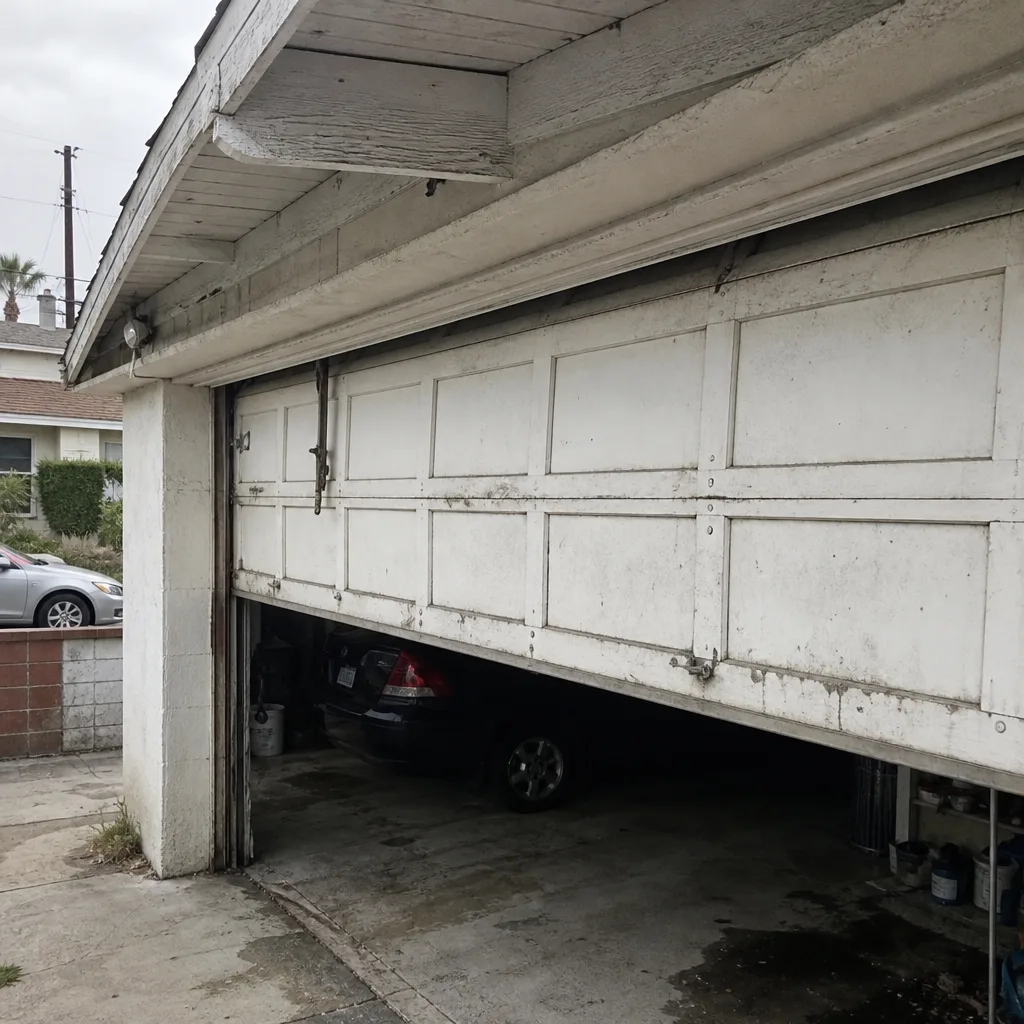 Before
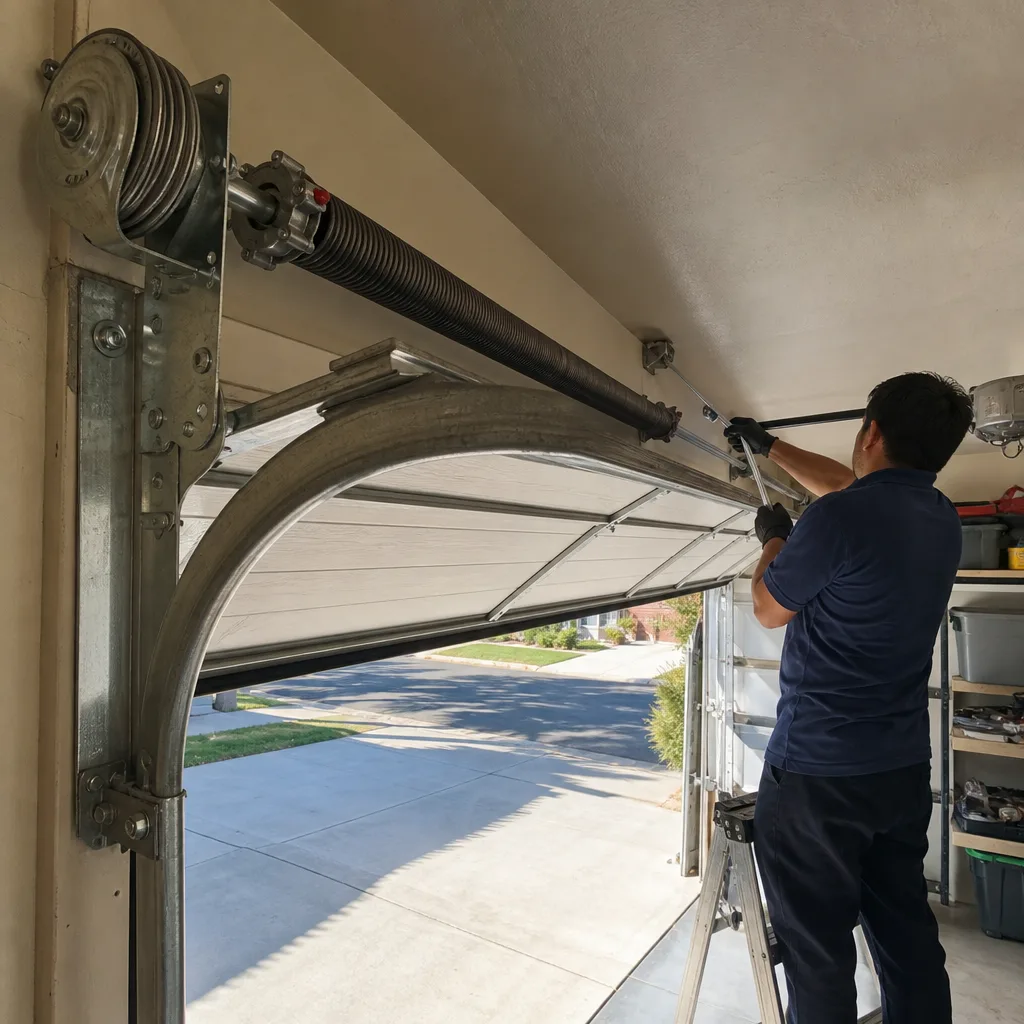 After
After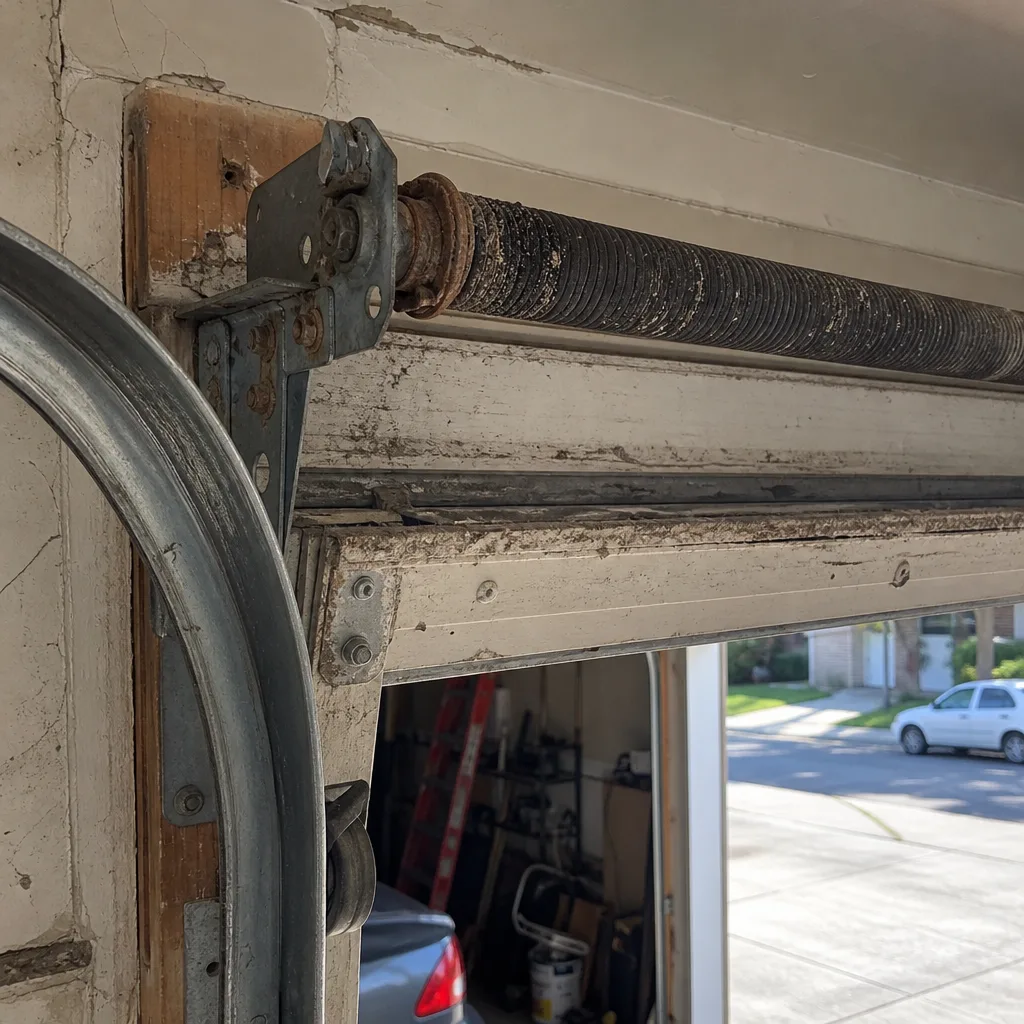 Before
 After
After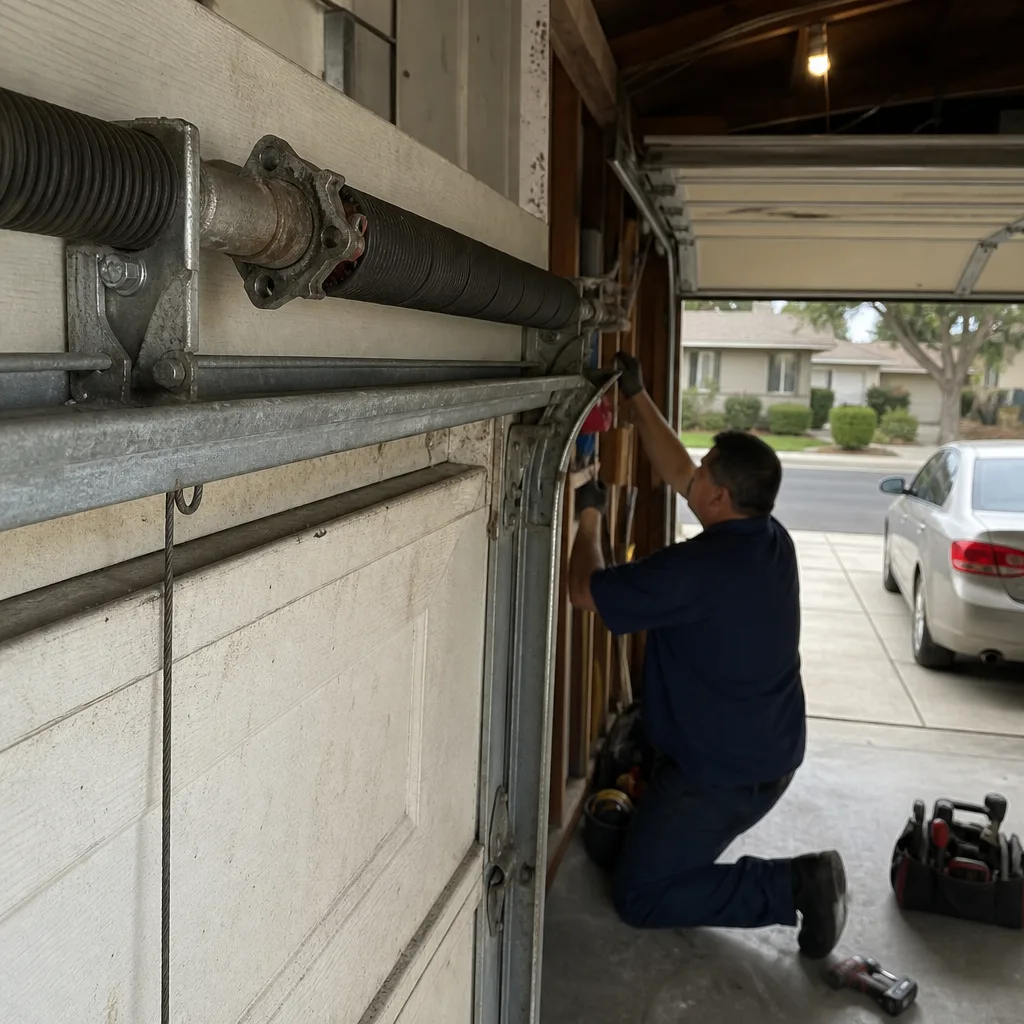 Before
 After
After